
Digital Preservation Fieldwork at Fort Laramie
Published:
Our team from the Construction Research & Innovation Lab had the opportunity to conduct fieldwork at Fort Laramie, one of the most historically significant sites in the American West.
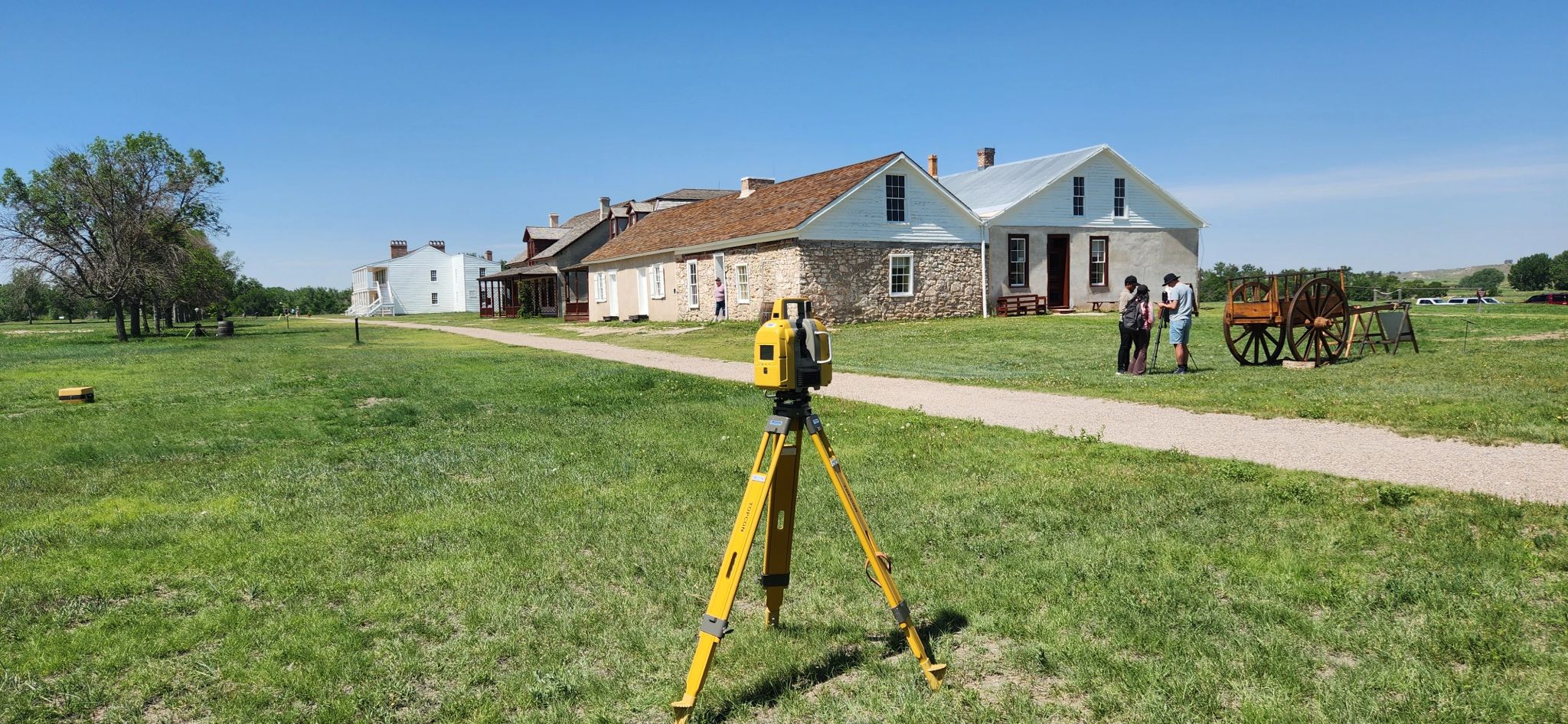
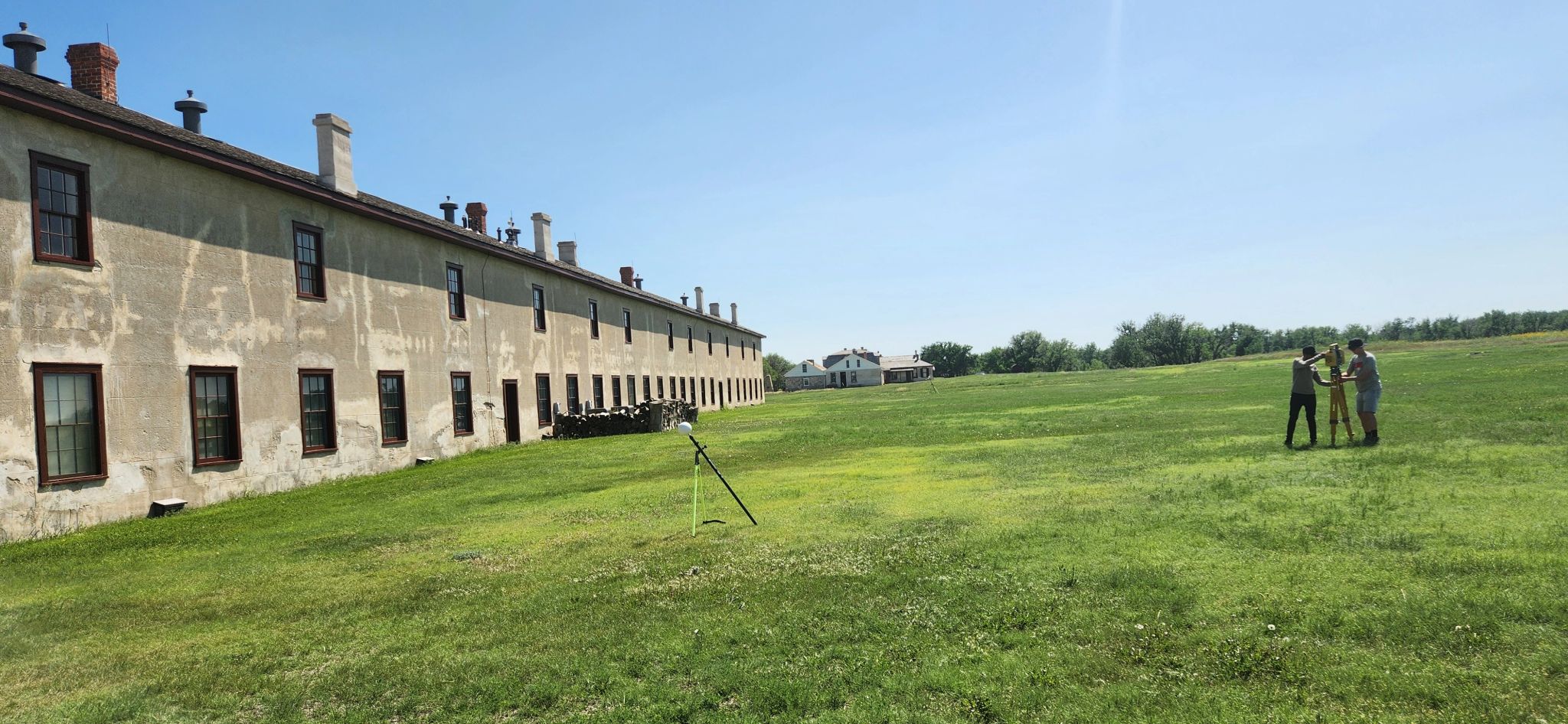
As part of our ongoing efforts in digital heritage preservation, we performed 3D documentation of historic buildings and surrounding structures to support long-term archival preservation and future public engagement. Fort Laramie presents layered narratives of military presence, Indigenous histories, and westward expansion, making it a meaningful setting for interdisciplinary research and storytelling.
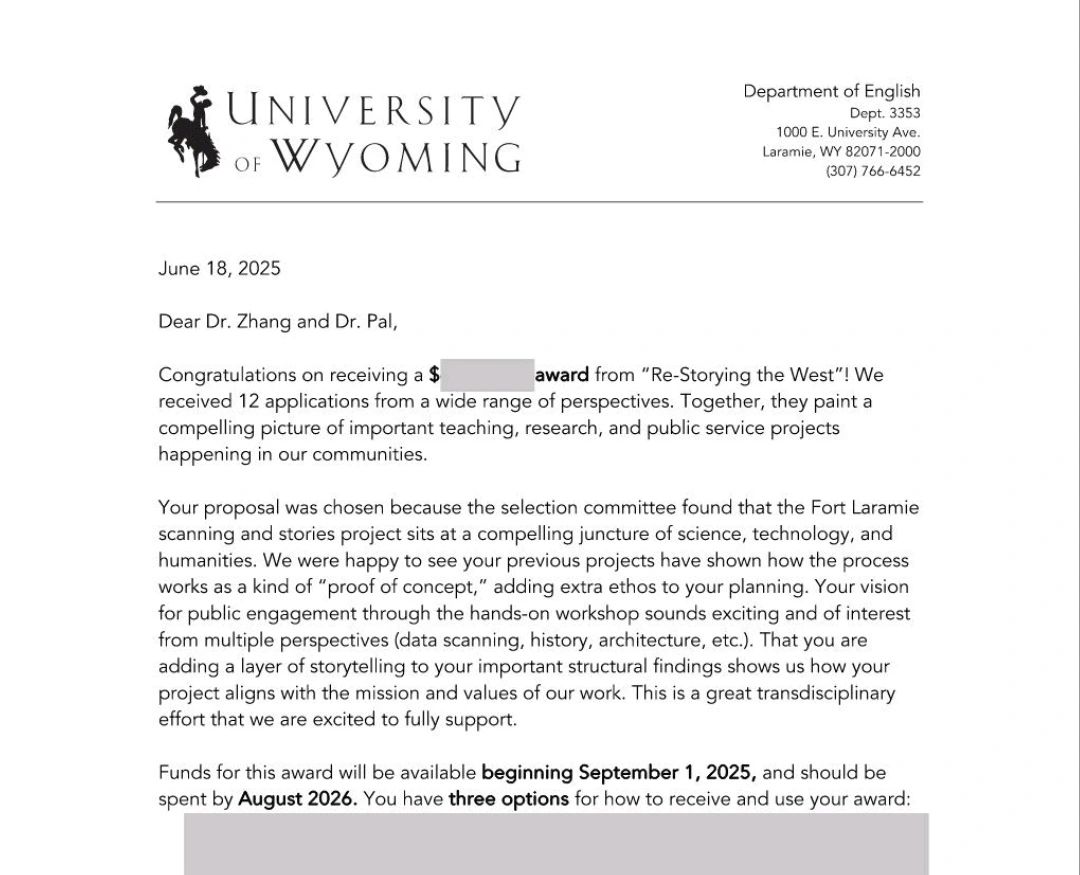
This fieldwork was supported by the Re-Storying the West Program (Department of English, University of Wyoming), which focuses on narrative-based re-engagement with historic sites. Our broader research and educational objectives are further supported by a 2025 Teaching & Research Grant from the American Heritage Center, enabling integration of archival materials into digital interpretation initiatives.
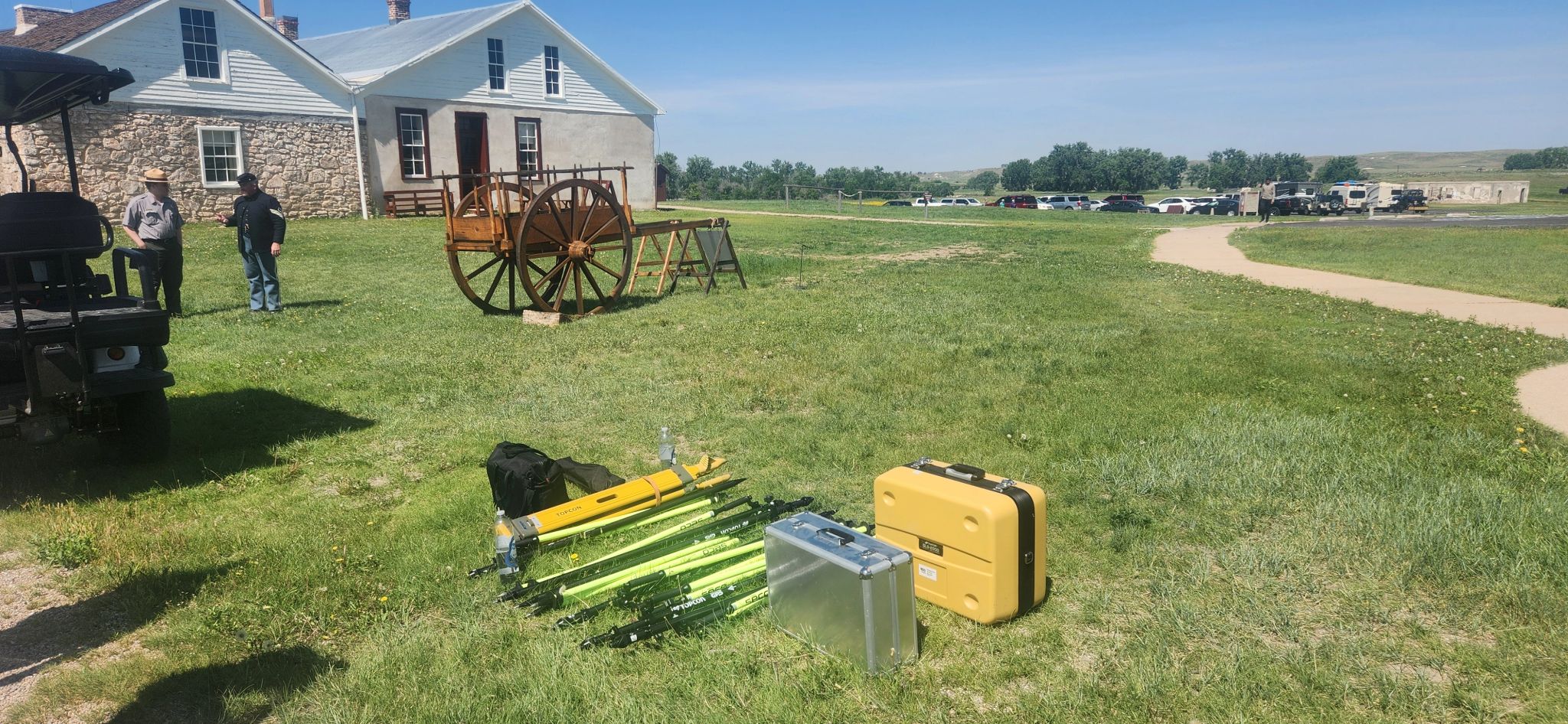
I was responsible for terrestrial laser scanning using the Topcon GLS-2000, while Saksham Timalsina conducted scans with a Matterport system. Merina Giri mapped and annotated scan locations, and our advisor, Charlie (Chengyi) Zhang, Ph.D., P.E., coordinated logistics and guided the team throughout the process.
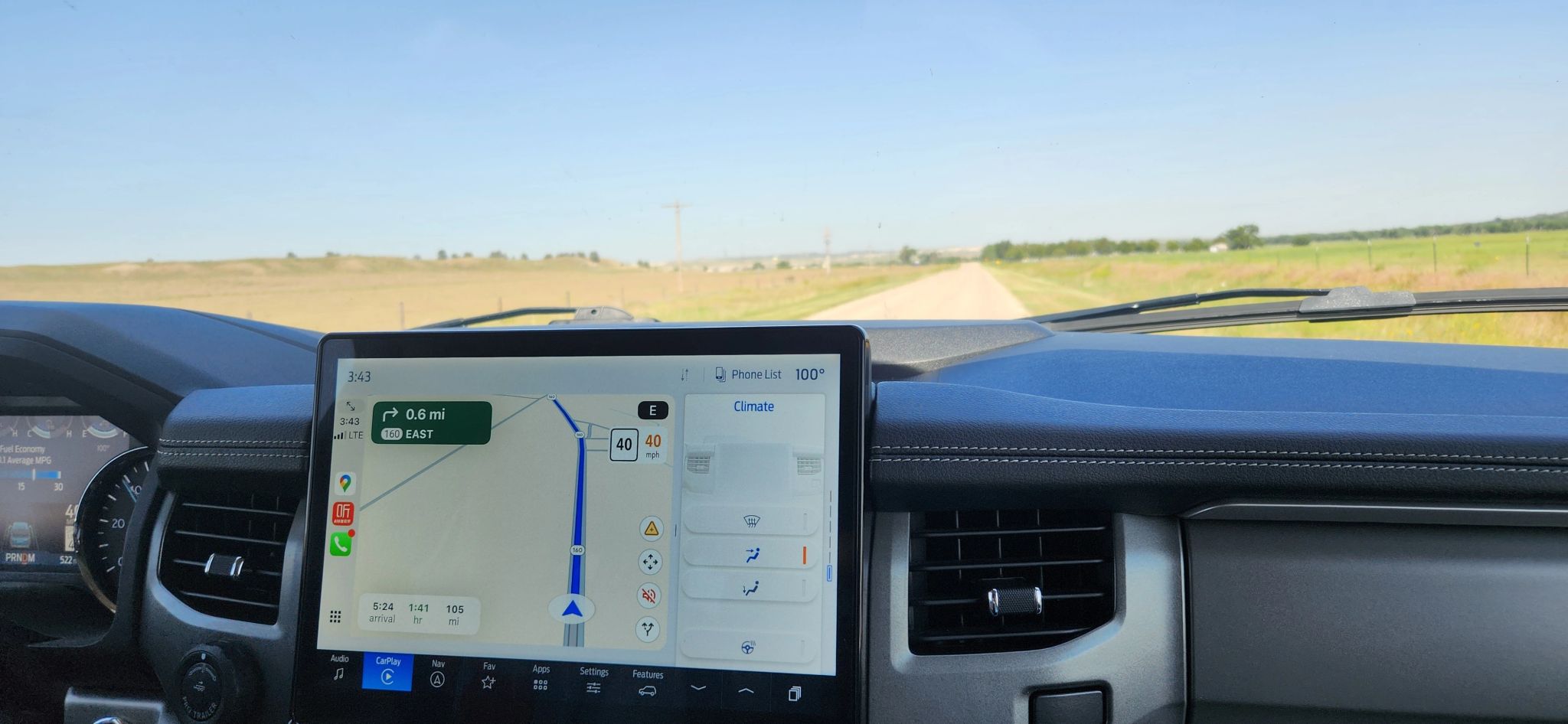
Despite summer temperatures reaching 100°F—typical for the region—the fieldwork was both productive and deeply meaningful. We are honored to contribute to the digital preservation of Fort Laramie and to support innovative approaches to documenting and interpreting historic environments.
Photo Gallery

Leave a Comment