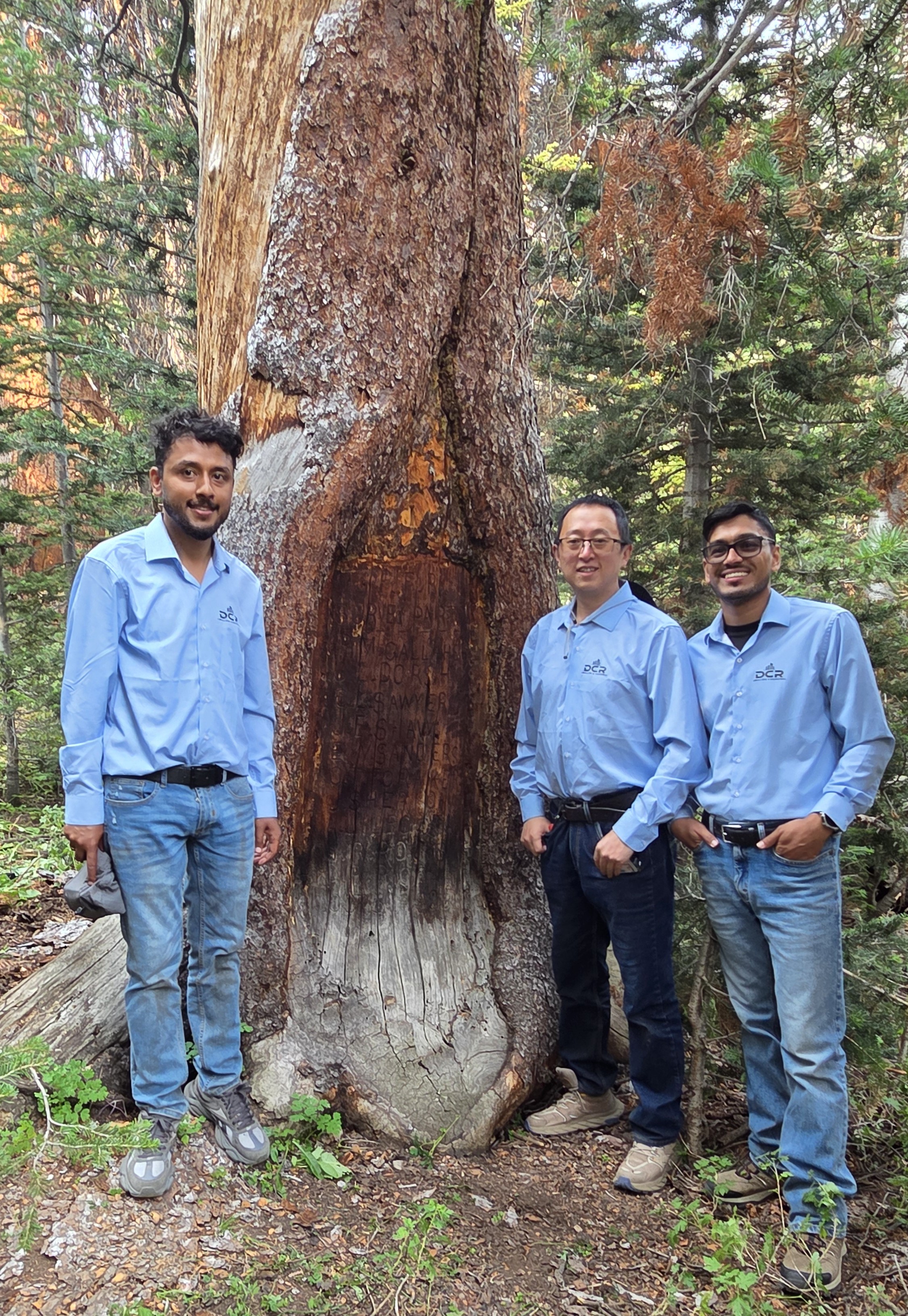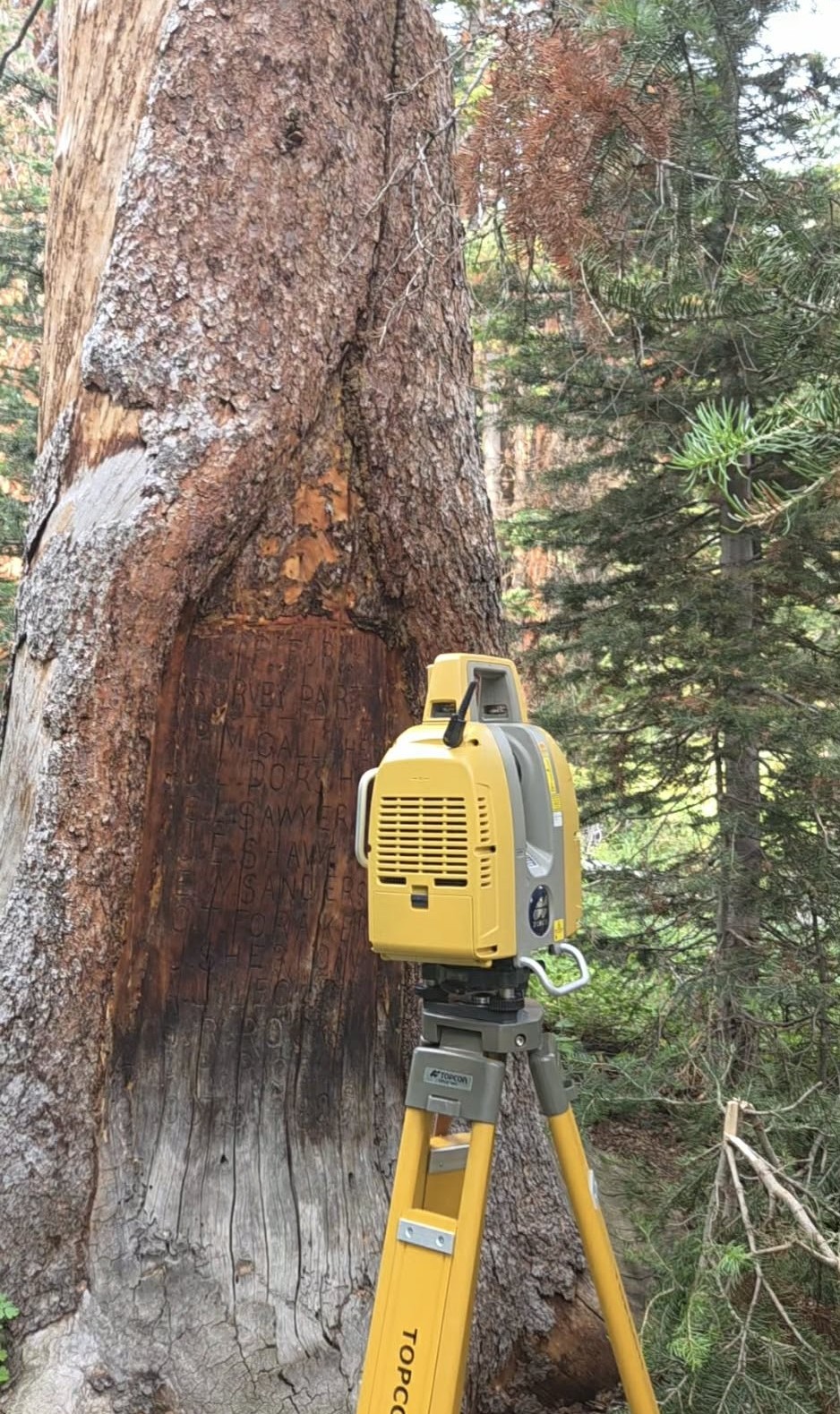
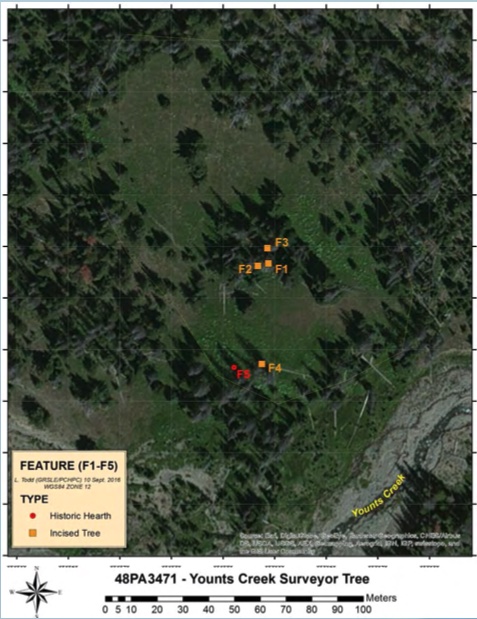
<?xml version="1.0" encoding="utf-8"?><feed xmlns="http://www.w3.org/2005/Atom" ><generator uri="https://jekyllrb.com/" version="3.10.0">Jekyll</generator><link href="https://pal-uttam.github.io/feed.xml" rel="self" type="application/atom+xml" /><link href="https://pal-uttam.github.io/" rel="alternate" type="text/html" /><updated>2026-11-07T04:18:49+00:00</updated><id>https://pal-uttam.github.io/feed.xml</id><title type="html">Uttam Pal</title><subtitle>PhD Candidate in Civil Engineering, focusing on construction safety, cognitive ergonomics, and data-driven methods.</subtitle><author><name>Uttam Pal</name><email>upal@uwyo.edu</email></author><entry><title type="html">Documenting a 133-Year-Old Carving in the Thorofare</title><link href="https://pal-uttam.github.io/posts/gallaher-survey-tree-2026/" rel="alternate" type="text/html" title="Documenting a 133-Year-Old Carving in the Thorofare" /><published>2026-08-11T00:00:00+00:00</published><updated>2026-08-11T00:00:00+00:00</updated><id>https://pal-uttam.github.io/posts/documenting-the-gallaher-survey-tree</id><content type="html" xml:base="https://pal-uttam.github.io/posts/gallaher-survey-tree-2026/"><![CDATA[<p>In early October 1893, a survey crew was deep in the mountains of what is now the Shoshone National Forest, mapping the boundary of the country’s first protected forest. A snowstorm caught them and would not let up for days. Stuck in a meadow near Younts Creek with nothing to do but wait, they carved their names into the trees around their camp. One of those carvings is dated October 3, 1893. About 133 years later, those trees are still standing in one of the most remote corners of the lower 48, an area known as the Thorofare, though old age and the beetles that have worked through this forest are slowly taking them apart. Our job was to reach the site and record the inscribed trees with 3D laser scanning before they are gone for good. What I did not expect was that getting to them would turn into one of the hardest and most memorable trips of my life.</p>

<div style="display:flex; gap:10px; margin: 1.5em 0; flex-wrap:wrap;">
  <div style="flex:1; min-width:200px;">
    <img src="/images/posts/gallaher-survey-tree-2026/p1-tree-inscription-closeup.jpg" alt="Scanning the 1893 inscription with the Topcon GLS-2000" style="width:60%; border-radius:6px;" />
  </div>
  <div style="flex:1; min-width:200px;">
    <img src="/images/posts/gallaher-survey-tree-2026/p2-tree-wide-in-meadow.jpg" alt="The survey tree in its setting near Younts Creek (Lawrence Todd/Courtesy)" style="width:85%; border-radius:6px;" />
  </div>
</div>
<p style="font-size:0.9em; color:#666; text-align:center;">Scanning the 1893 inscription with the Topcon GLS-2000, and the tree in its setting. Second photo courtesy of Lawrence Todd.</p>

<p>We had tried to make this trip once already, back in July 2026. We made it as far as Cody, but nature had other plans. It had been raining in the forest for a week, and the trails had washed out in many places from the flooding, so we called it off. The second chance came after a month, and that time we made it all the way in.</p>

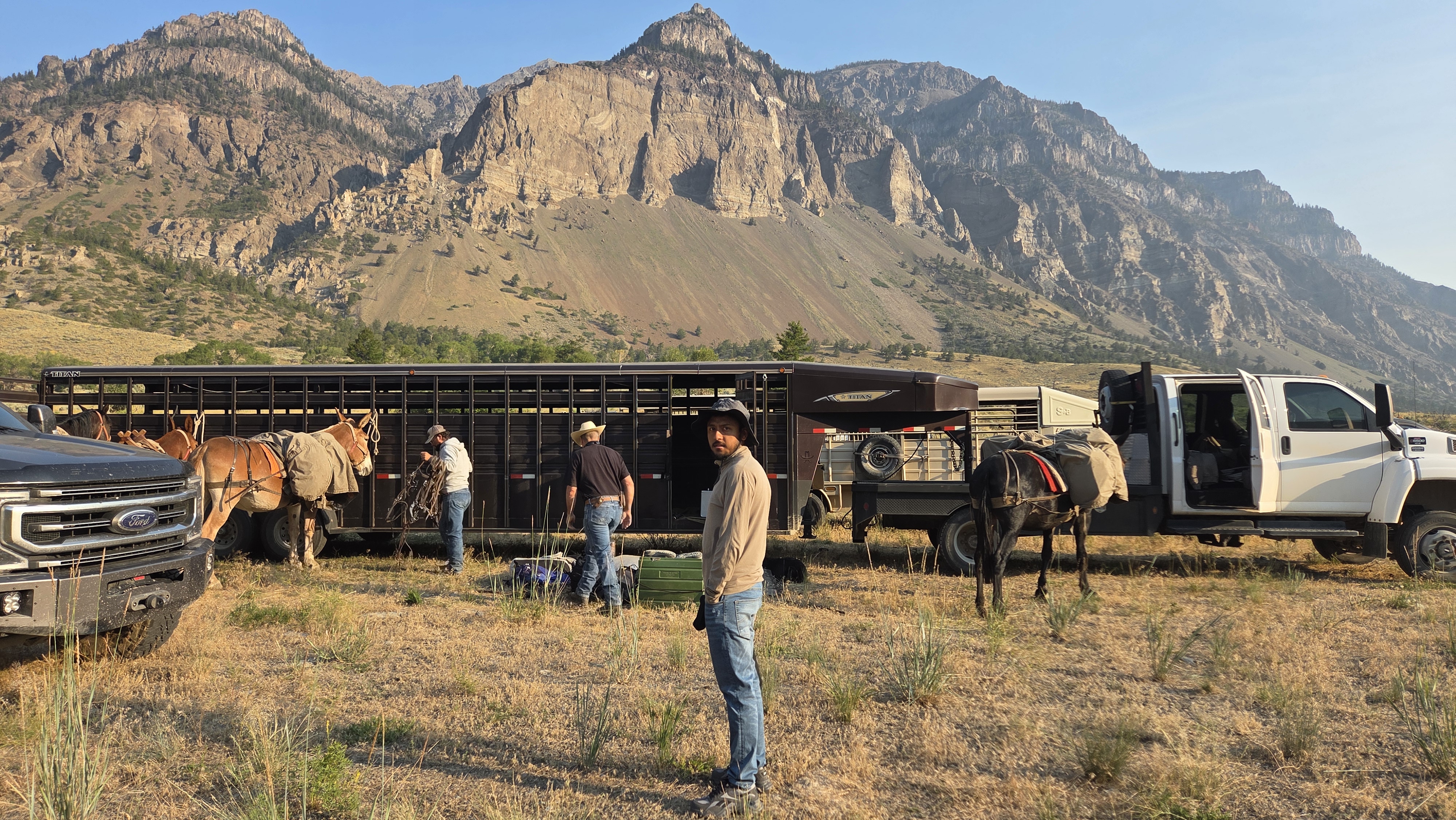
<p>We left Laramie on August 6 and drove up to Cody, where we spent the night before heading out early the next morning. The team going in was my advisor Dr. Charlie Zhang, my colleague Saksham Timalsina, and me, along with Prof. Marcia Peterson, the Wyoming State Archaeologist (also the Adjunct Professor of Anthropology at the University of Wyoming), who joined us at the trailhead to help document the site properly given its historical significance. Taking us in and back out was Lee Livingston of Livingston Outfitting, the outfitter the Park Service had picked for the job, and simply the best in the business at what he does.</p>

<div style="margin: 1.5em 0;">
  <img src="/images/posts/gallaher-survey-tree-2026/p5-lee-loading-pack-mules.jpg" alt="Packing the mules and getting ready" style="width:100%; border-radius:6px;" />
  <p style="font-size:0.9em; color:#666; text-align:center;">Packing the mules and getting ready.</p>
</div>

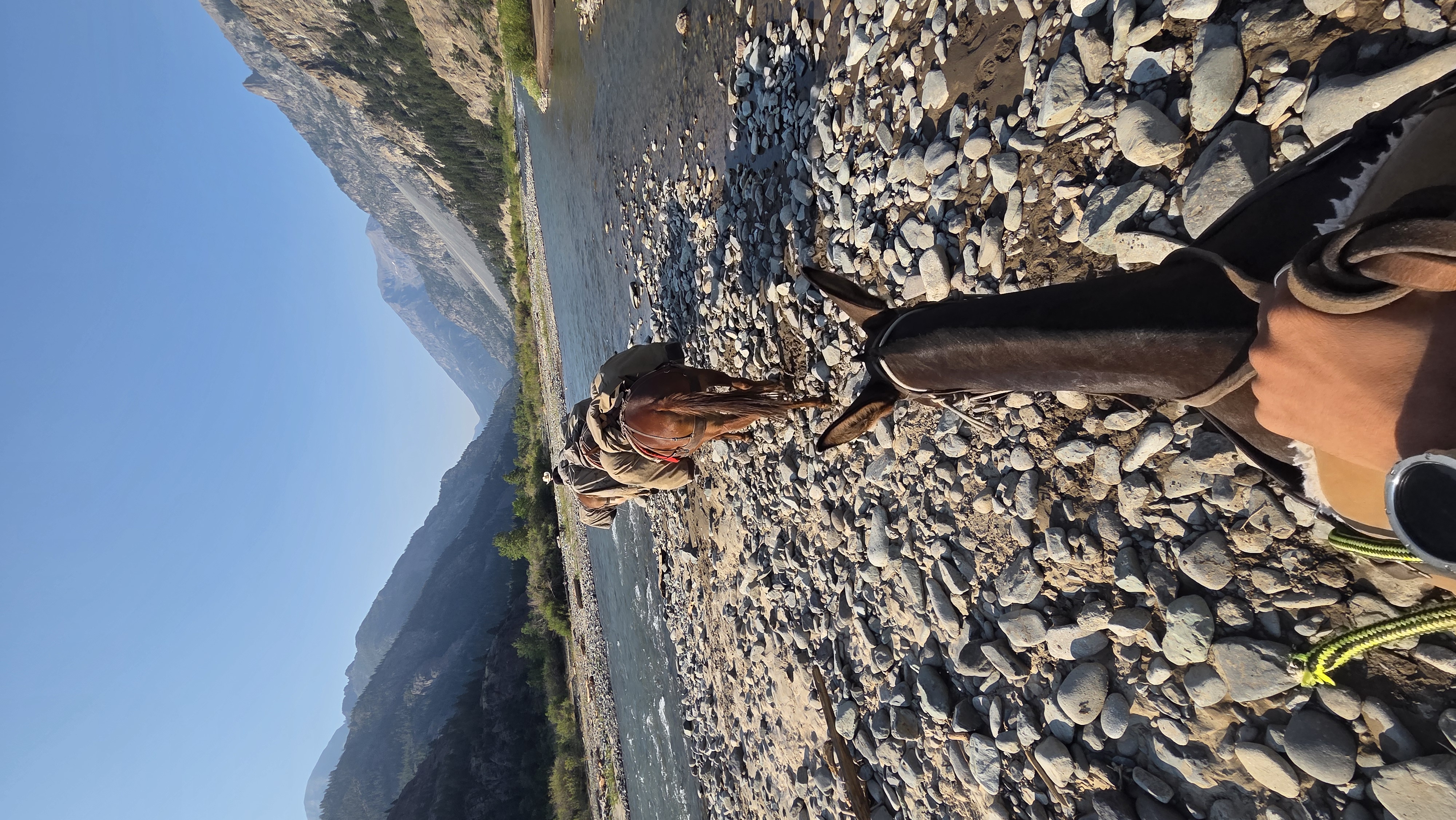
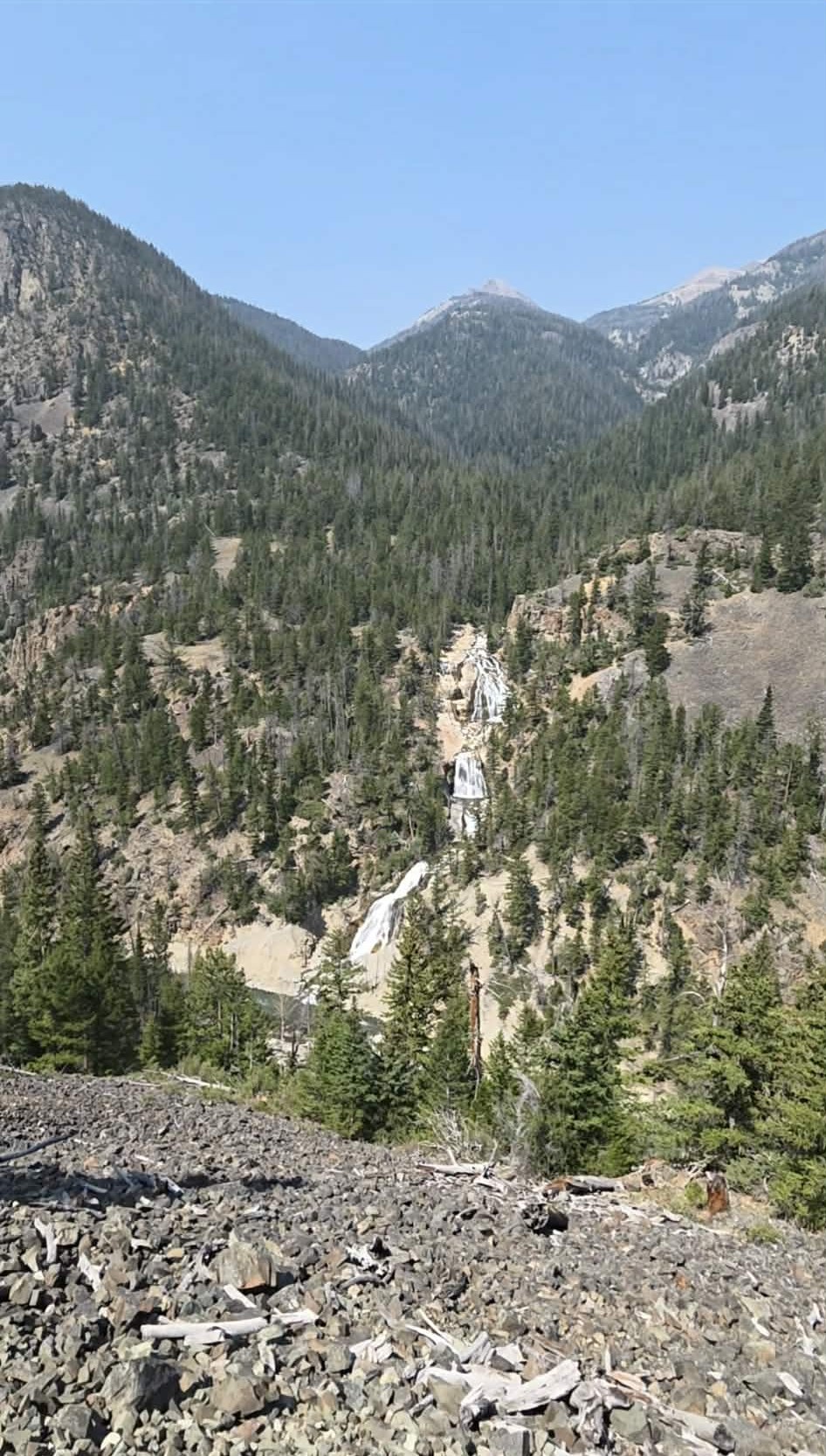
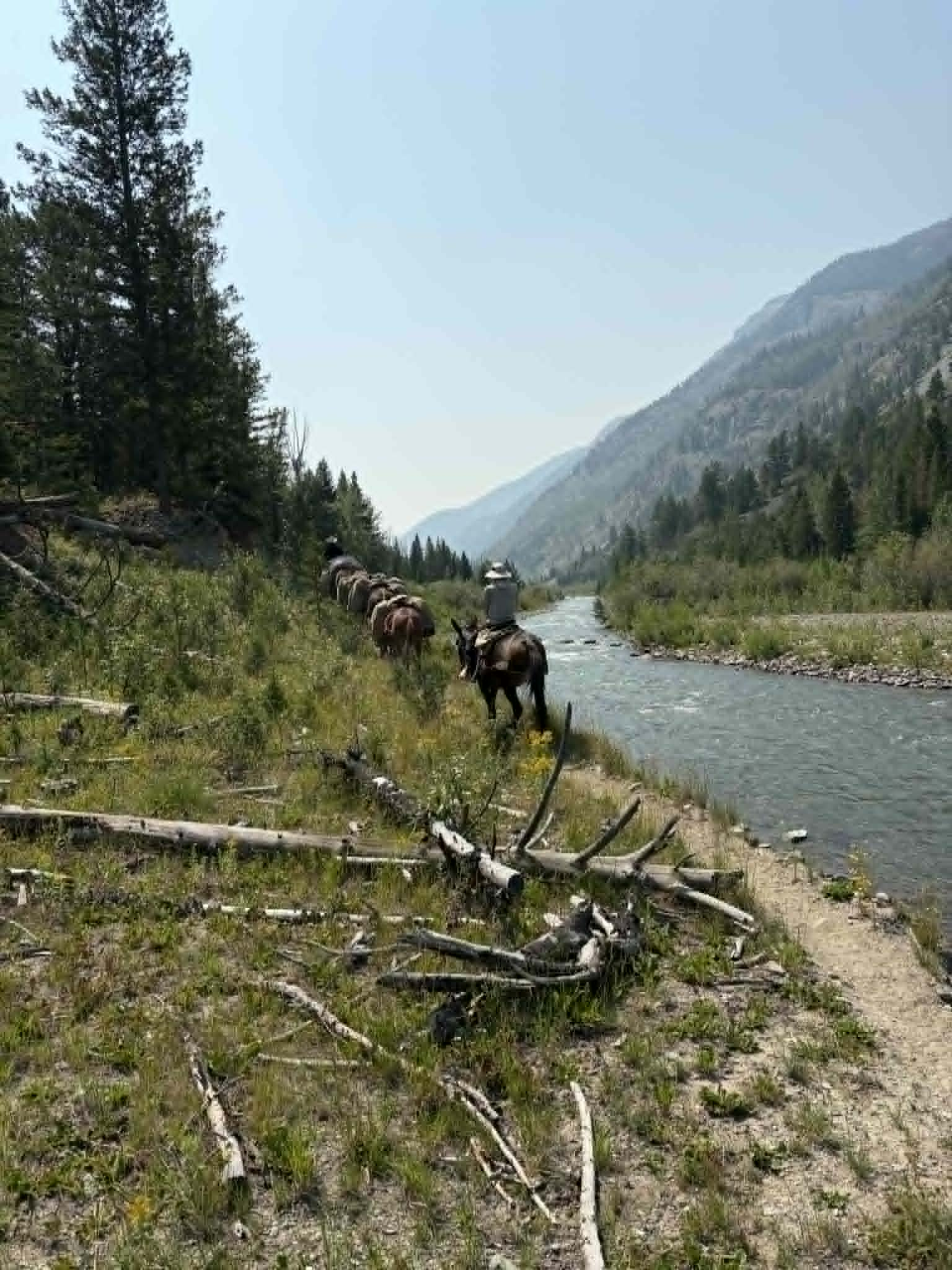
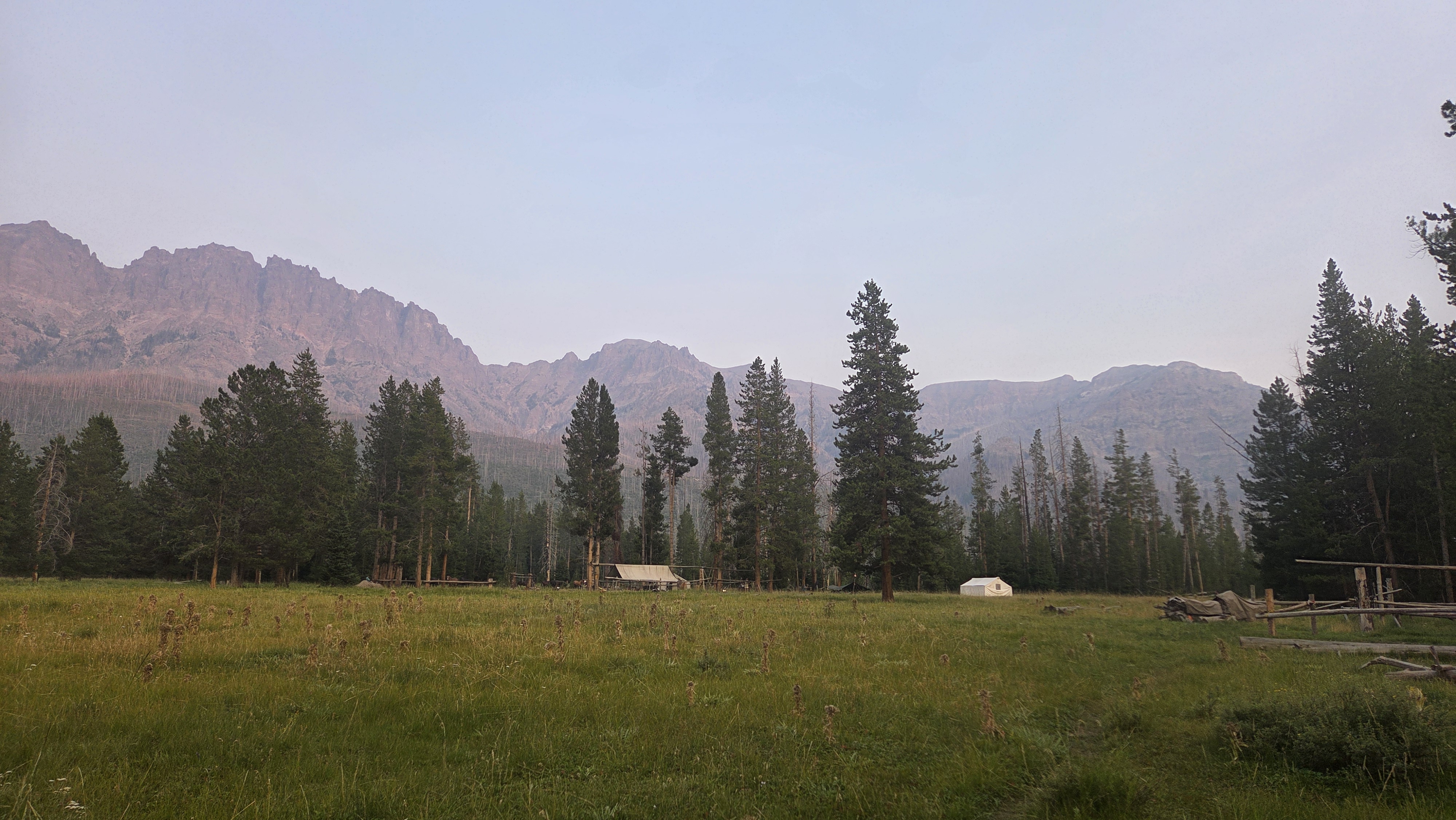
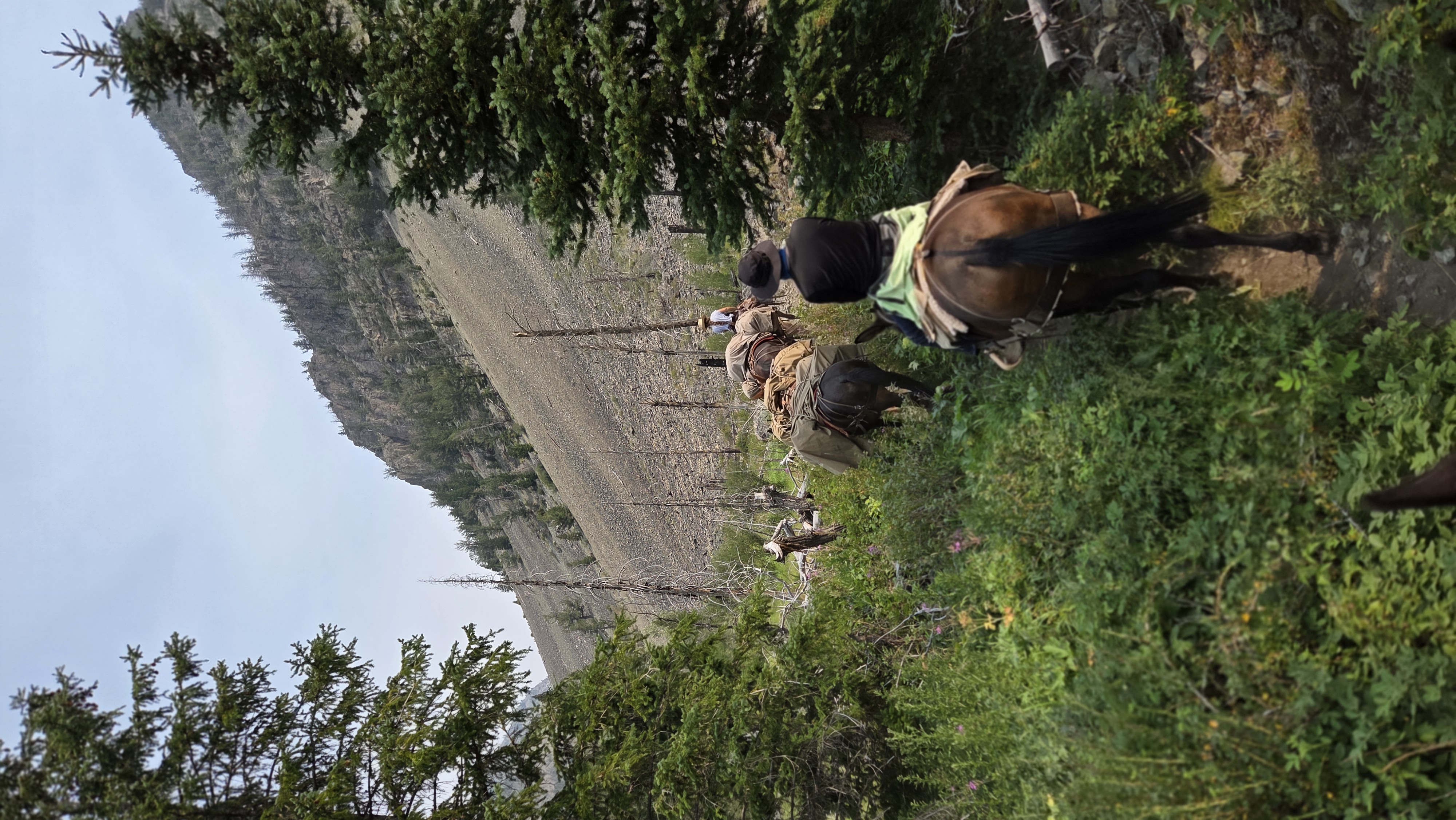
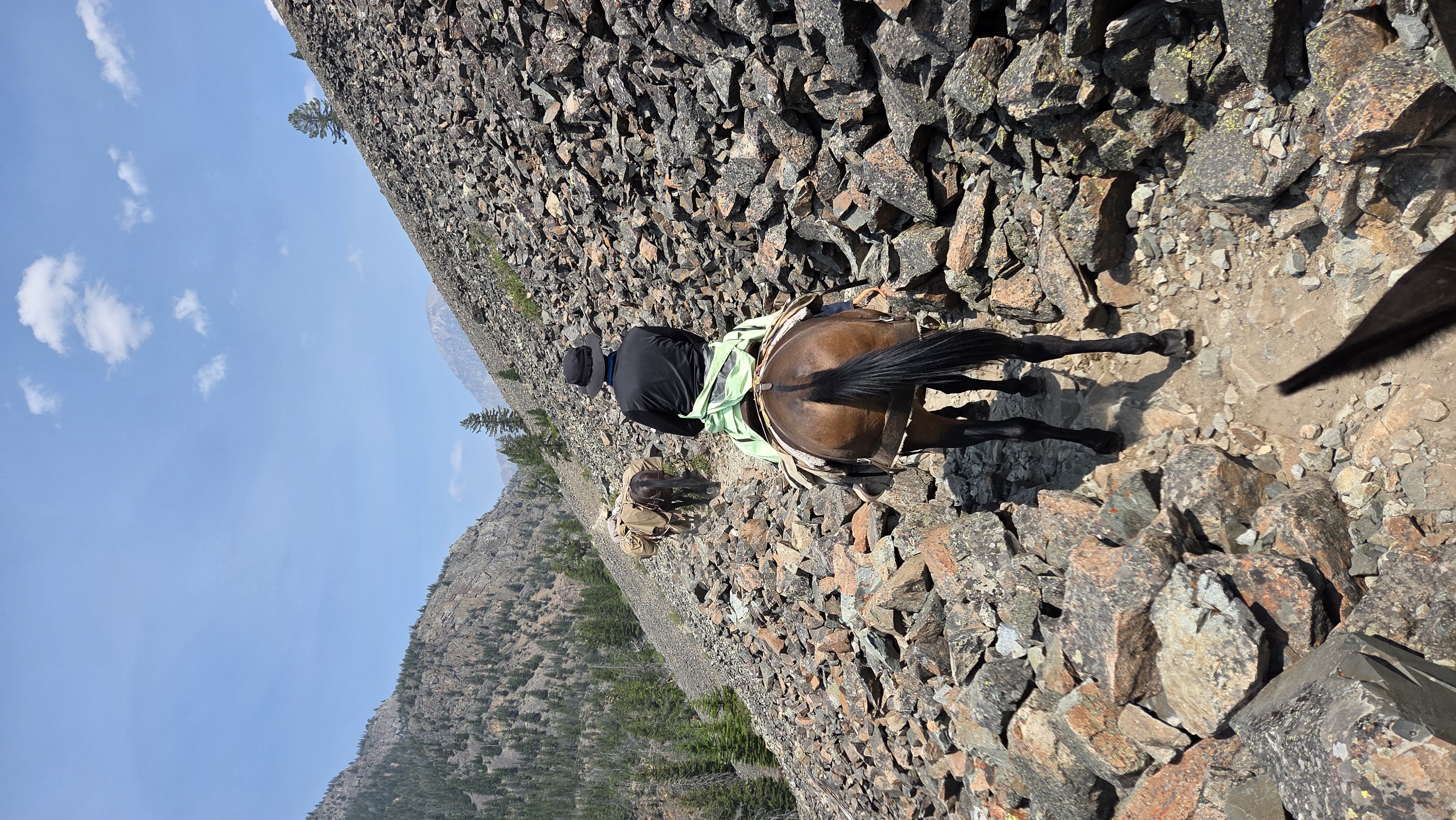
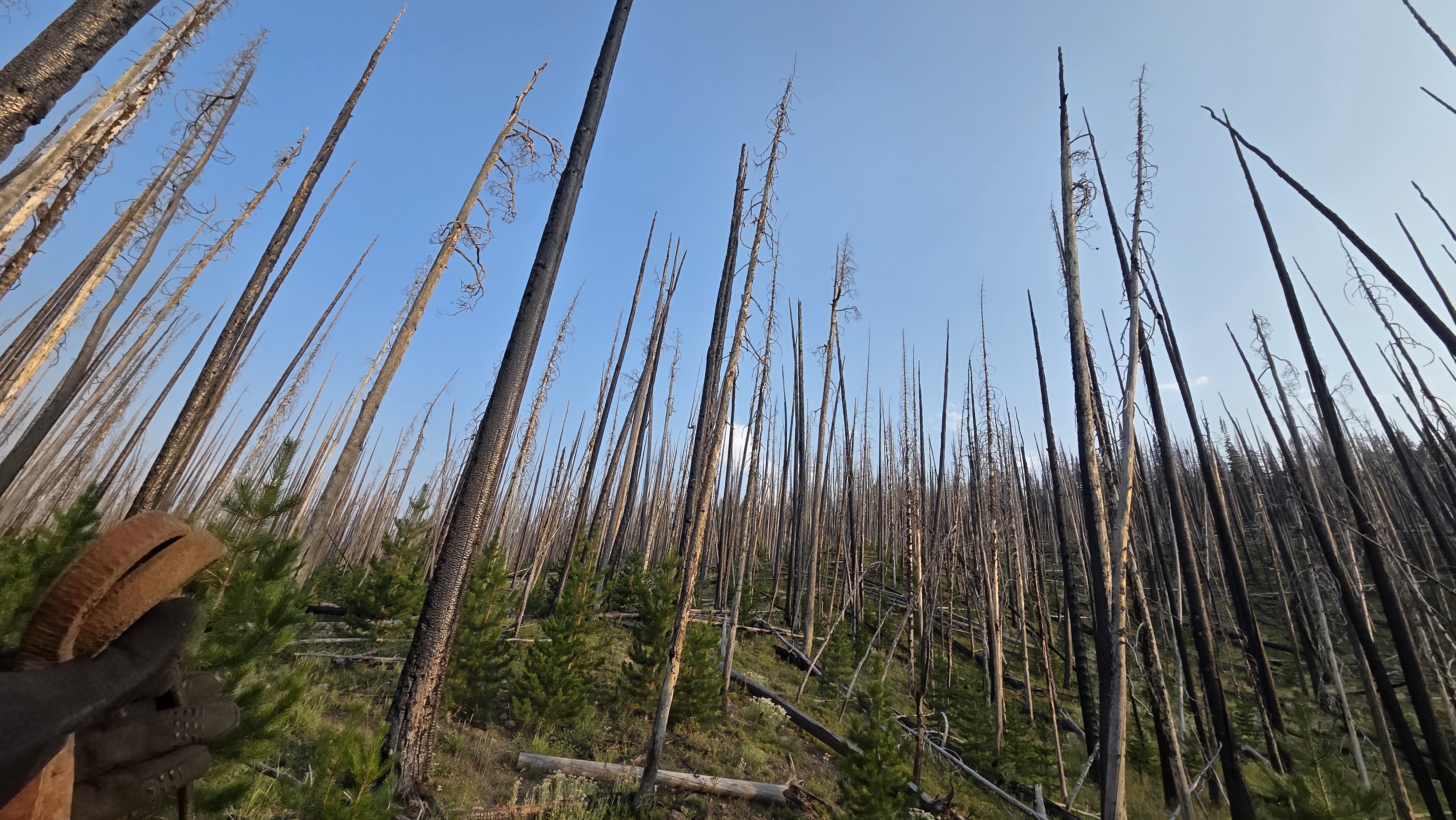
<p>The ride in was eighteen miles, one long stretch in the saddle with just a single break for lunch. We crossed rivers and open flats, climbed long stretches and dropped down the other side, going deeper into the mountains with every mile, and in places the trail ran through loose rock and landslide ground. Crossing the rivers, looking up at the mountains sitting far off in the distance, was a feeling hard to put into words. For long stretches, it was just us, the animals, and country that felt like nobody had touched it in a very long time, quiet except for hooves on rock. Even so, the land carried its scars, most of the forest having burned at some point and never grown back, the old fire marks running across everything that was still standing. We had lost cell signal not long after leaving Cody, and it would be five days before we had it again, the Park Service’s satellite phone and solar charger our only real link out.</p>

<div style="display:flex; gap:10px; margin: 1.5em 0; flex-wrap:wrap;">
  <div style="flex:1; min-width:150px;">
    <img src="/images/posts/gallaher-survey-tree-2026/p6-river-crossing.jpg" alt="Crossing a river on the ride in" style="width:100%; border-radius:6px;" />
  </div>
  <div style="flex:1; min-width:150px;">
    <img src="/images/posts/gallaher-survey-tree-2026/p7-mountain-view-from-trail.jpg" alt="Passing the waterfall on the other side" style="width:100%; border-radius:6px;" />
  </div>
    <div style="flex:1; min-width:150px;">
    <img src="/images/posts/gallaher-survey-tree-2026/p77-mountain-view-from-trail.jpg" alt="Passing flat terrain" style="width:100%; border-radius:6px;" />
  </div>
</div>
<p style="font-size:0.9em; color:#666; text-align:center;">Crossing the river, the waterfall we passed along the way, and almost to the campsite.</p>

<p>We reached the camp on the meadow by the South Fork Shoshone River in the late afternoon, where we met Mark’s family, another camping group out there, and the rest of Lee’s crew. We got off the mules and looked around the camp and the area around it. I was thirsty from the ride, and right there at camp was a spring, water coming straight up out of the ground. I drank from it right where it came out. Then I went down to the river and got in. It was ice cold, but it felt good after a hot, dusty day.</p>

<div style="margin: 1.5em 0;">
  <img src="/images/posts/gallaher-survey-tree-2026/p8-camp-meadow-south-fork.jpg" alt="Camp on the meadow by the South Fork Shoshone River" style="width:90%; border-radius:6px;" />
  <p style="font-size:0.9em; color:#666; text-align:center;">Camping on the meadow South Fork Shoshone river.</p>
</div>

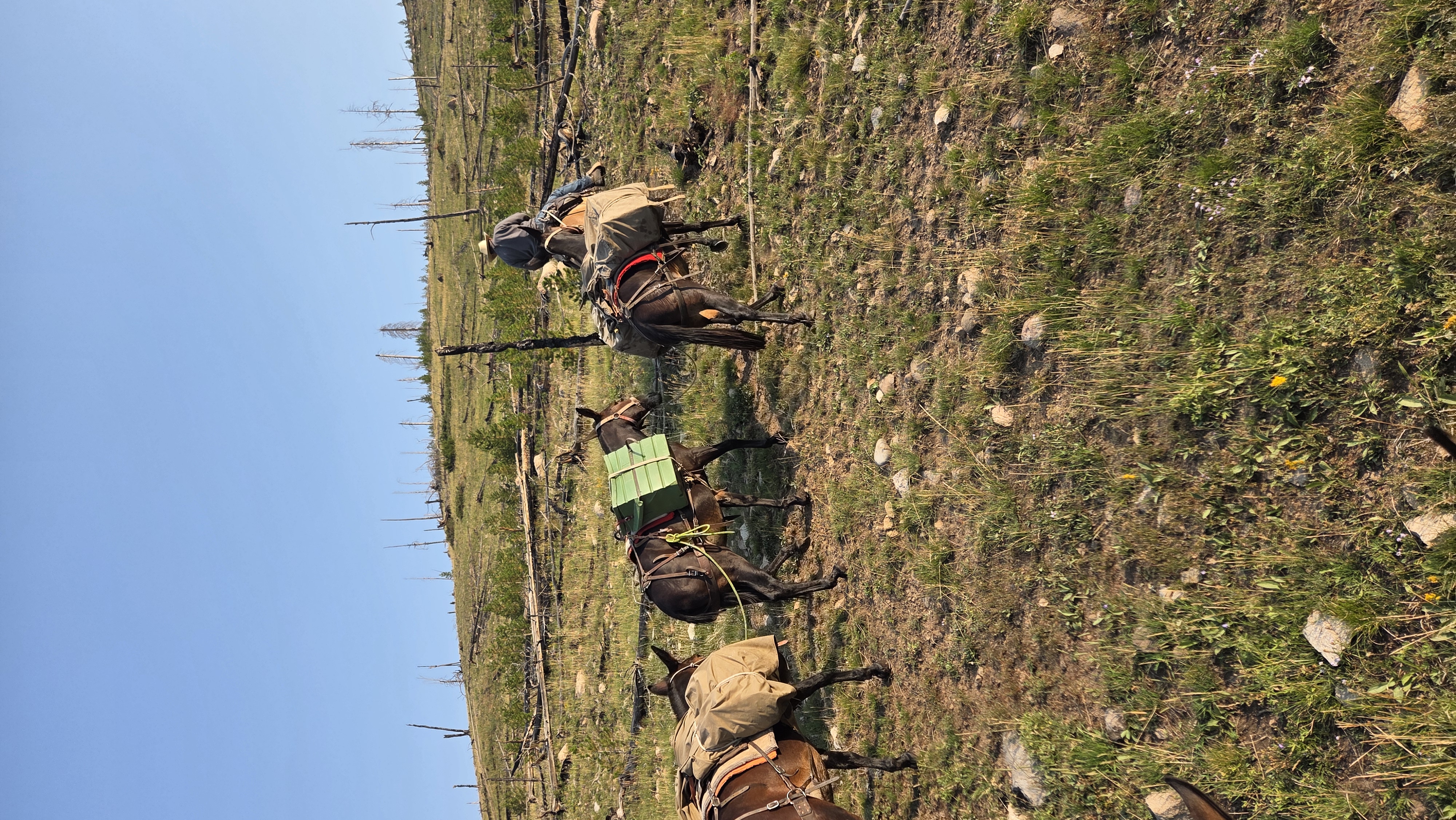
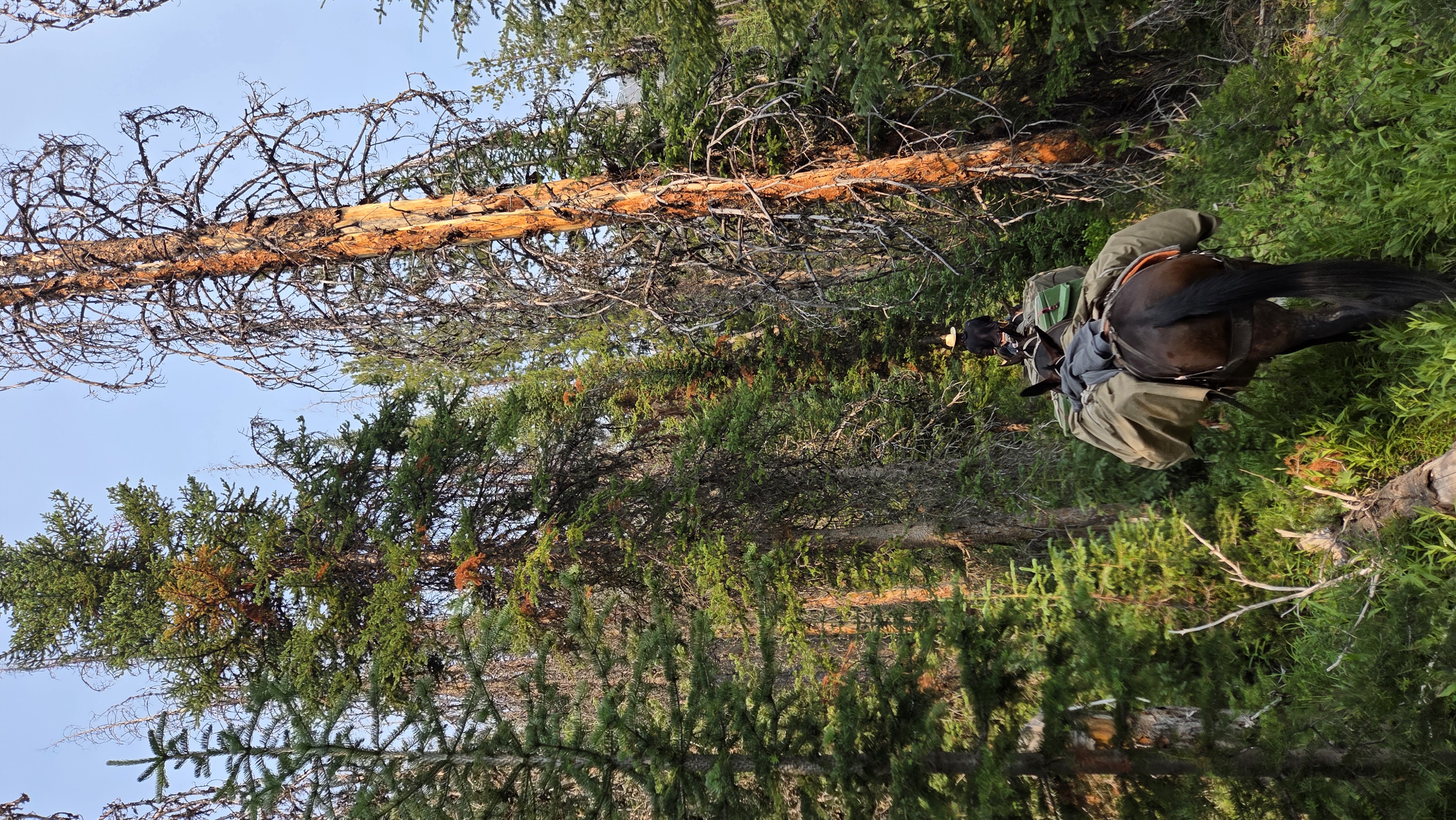
<p>The real work came on August 8, when we left the camp at 8 AM and rode about five more miles toward Younts Creek, and this turned out to be the hardest part of the trip, and the best. Lee led the way on his horse, three pack mules carrying our equipment tied behind him, all four moving as one line ahead of the rest of us. Mark rode at the back of the group, but whenever something on the trail needed clearing, he’d move up and take care of it. The trail here was rougher than the day before, cutting through dense forest that nobody had ridden in a long time, thick timber with fallen trees blocking the way in places, some of it cleared as we went. Parts of the trail ran high along a steep gorge with Younts Creek running fast through the bottom of it, and on the worst downhill stretches, right along that edge, we got off and led the mules.</p>

<div style="display:flex; gap:10px; margin: 1.5em 0; flex-wrap:wrap;">
  <div style="flex:1; min-width:150px;">
    <img src="/images/posts/gallaher-survey-tree-2026/p11-lee-leading-pack-line.jpg" alt="Heading toward the tree location, Lee leading the way uphill" style="width:100%; display:block; margin:0 auto; border-radius:6px;" />
  </div>
  <div style="flex:1; min-width:150px;">
    <img src="/images/posts/gallaher-survey-tree-2026/p10-dense-jungle.jpg" alt="Going through dense timber on the trail" style="width:100%; border-radius:6px;" />
  </div>
    <div style="flex:1; min-width:150px;">
    <img src="/images/posts/gallaher-survey-tree-2026/p100dense-jungle.jpg" alt="Going through steep terrain" style="width:100%; border-radius:6px;" />
  </div>
</div>
<p style="font-size:0.9em; color:#666; text-align:center;">Lee leading the way uphill, and the dense timber we rode through.</p>

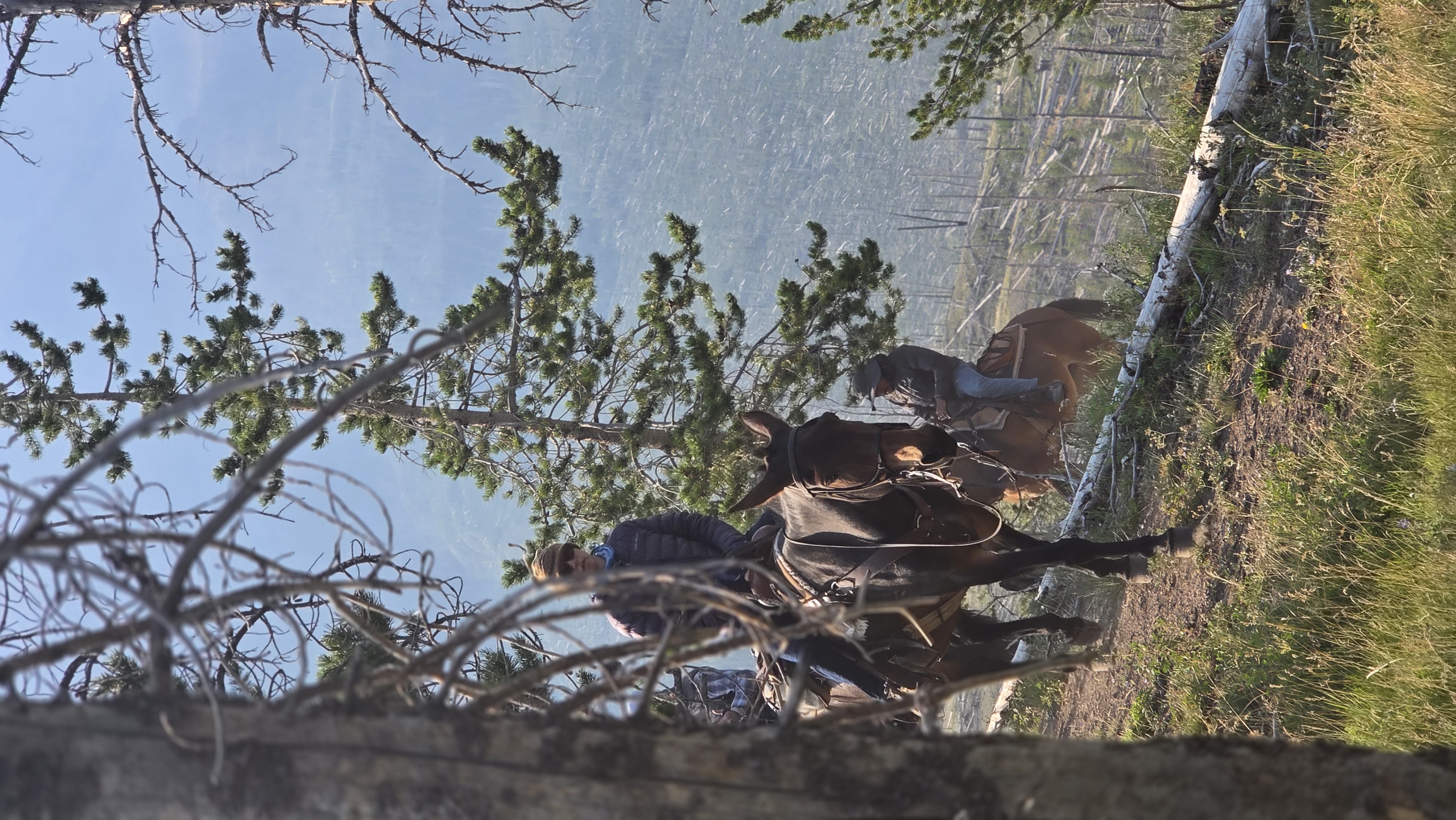
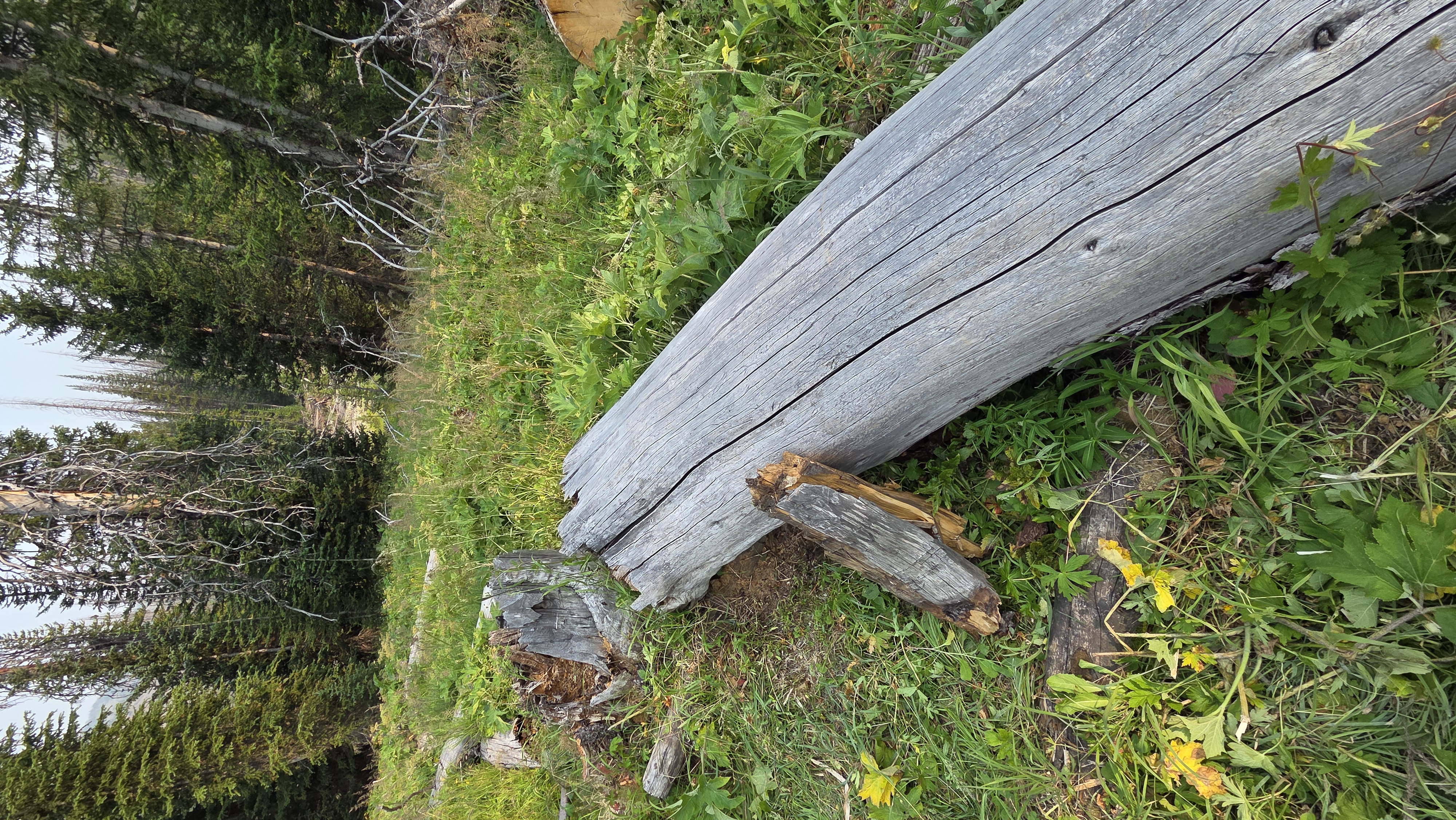
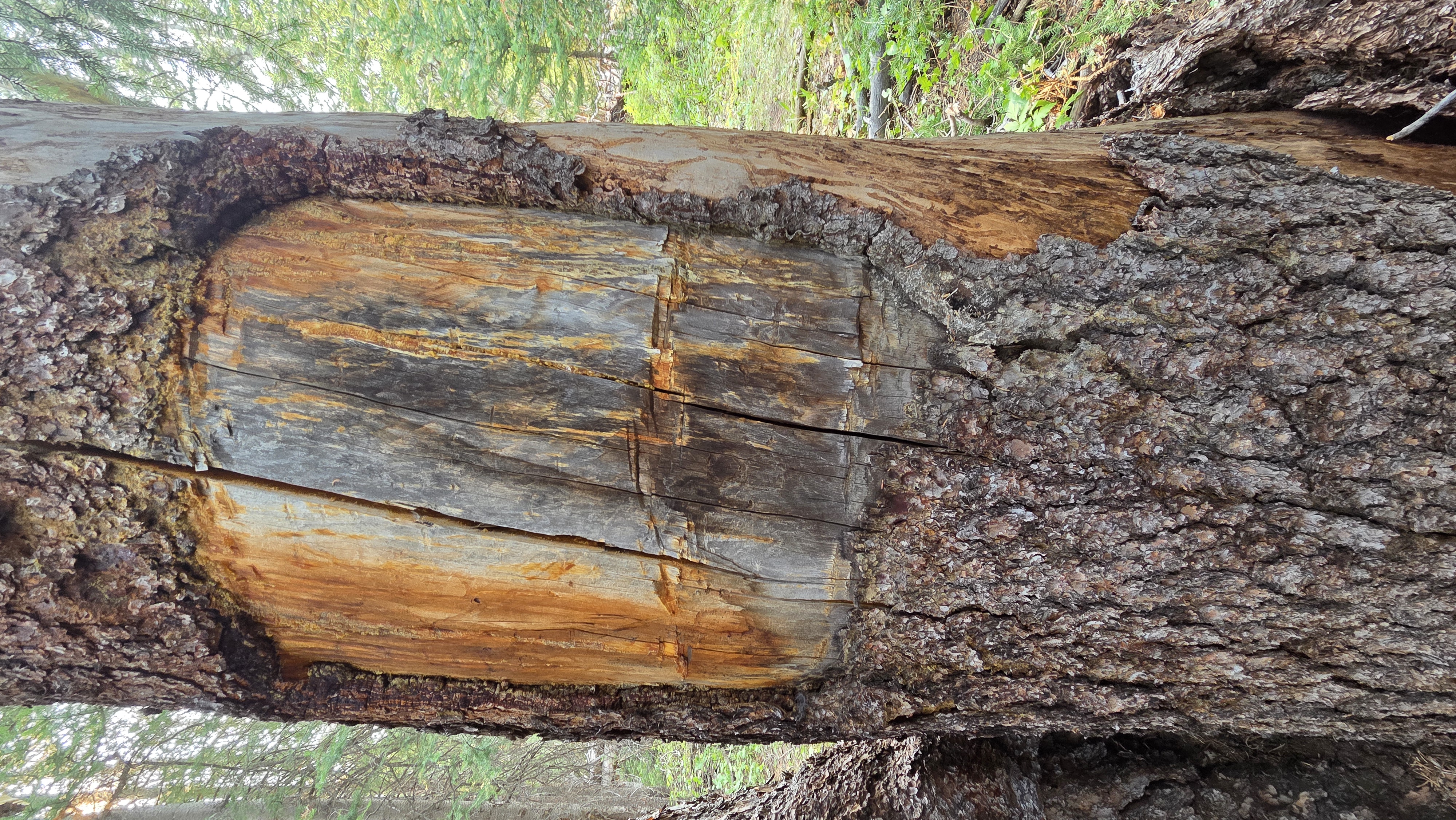
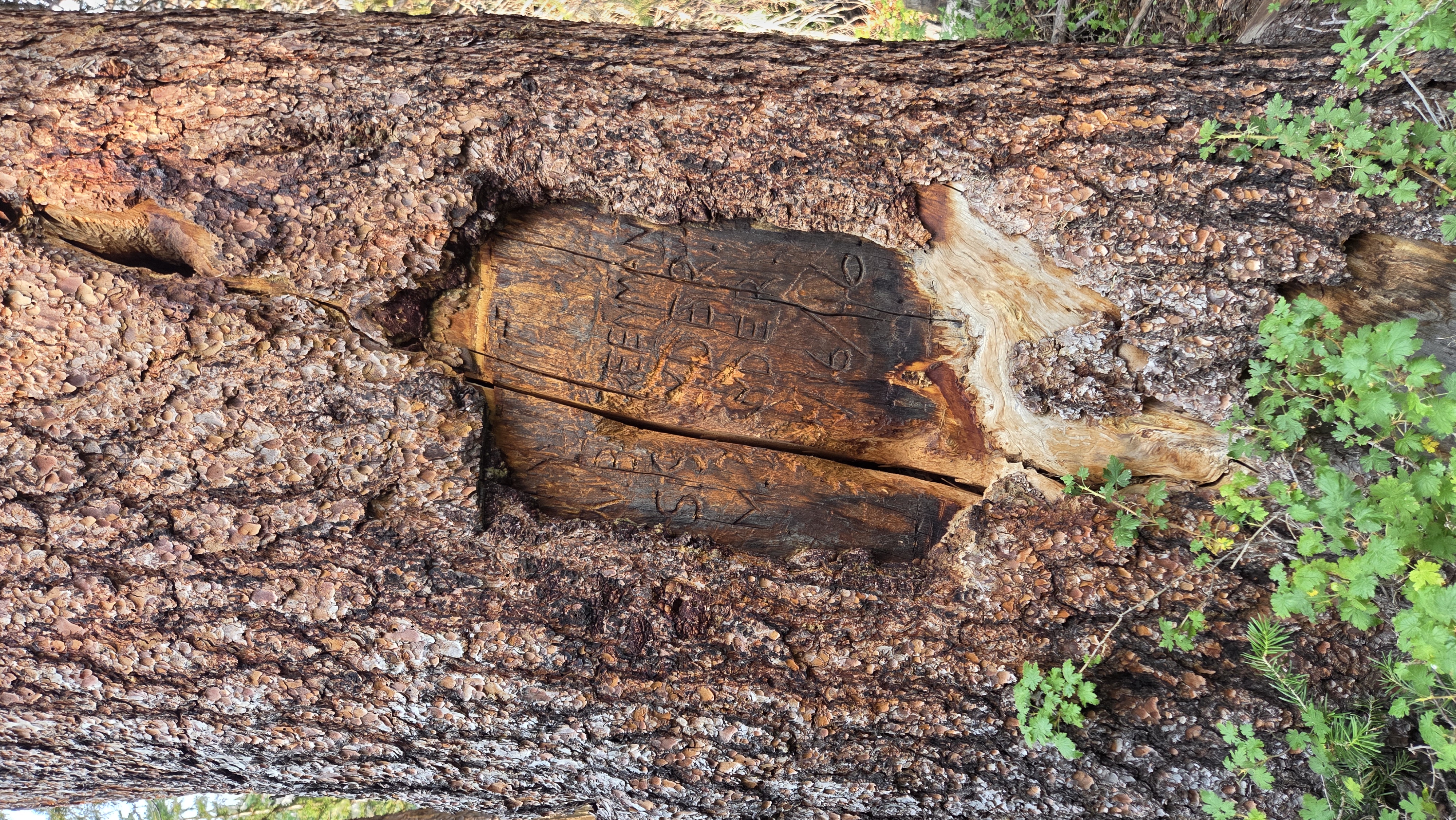
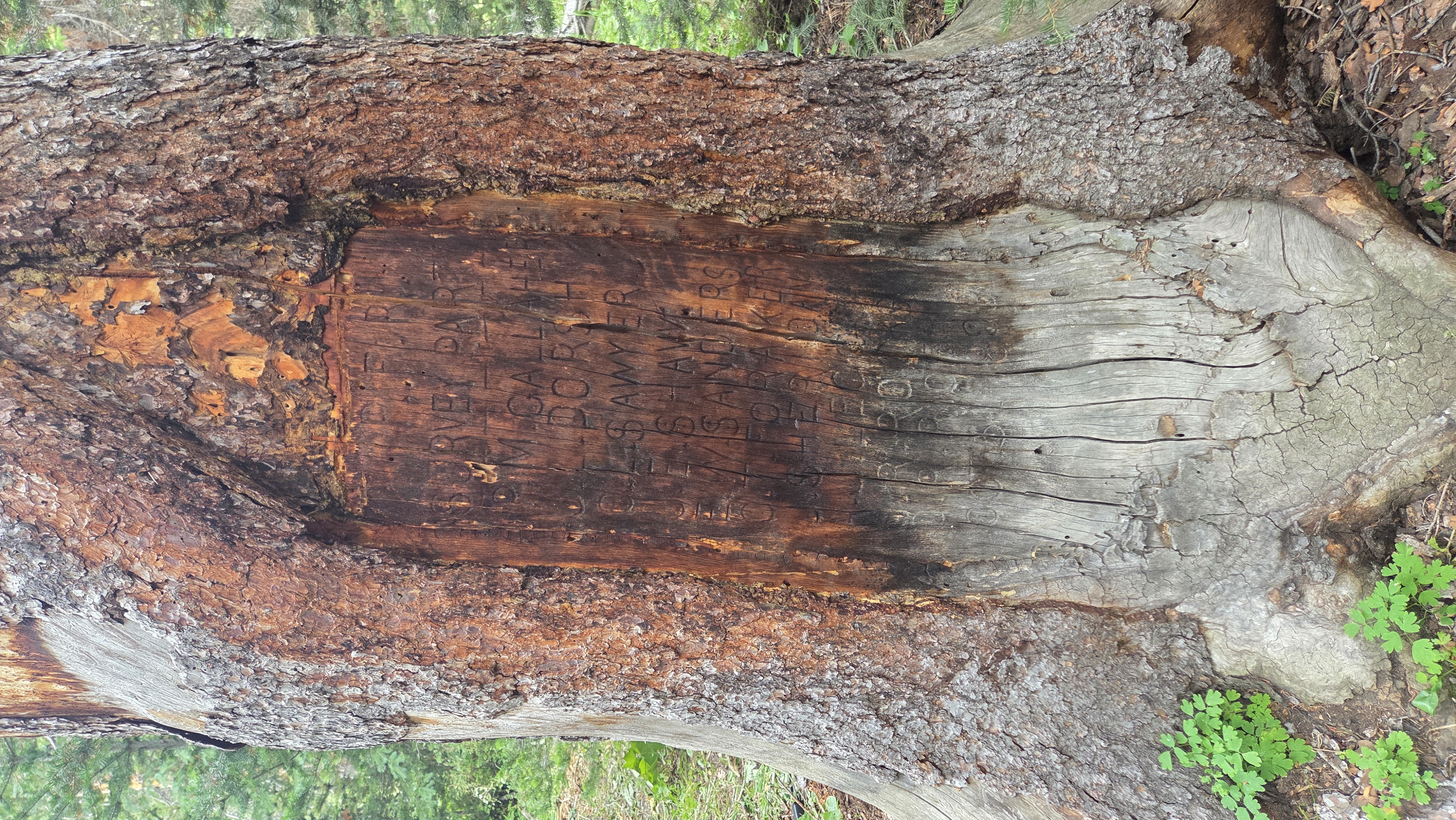
<p>We reached the site around 11:30 AM and started scanning by noon. On paper the trees had looked simple, but in person they were anything but. They stood crowded among other trees and thick brush, which made getting a clean scan from the right angle a constant fight, and smoke hanging in the air that day threw off some of the scans on top of that, so we had to run several of them again. One tree had fallen and was badly damaged, and another still held its carving but had faded past reading. The 1893 tree was the clearest and best preserved of the four. We scanned with a Topcon GLS-2000 and a Leica BLK360, checking the data right there in the field instead of trusting it to hold until we got back. By 5 PM we had everything we needed and started the ride back, three hours of it, chasing the last of the light. The tree site sat close to 7,000 feet and camp near 5,000, so most of the way down we were walking the mules again, working our way along the ridge above Younts Creek with the cliffs dropping straight down beside us. We got in just as it was getting dark.</p>

<div style="display:flex; gap:10px; margin: 1.5em 0; flex-wrap:wrap;">
  <div style="flex:1; min-width:150px;">
    <img src="/images/posts/gallaher-survey-tree-2026/p12-tree-fallen-damaged.jpg" alt="The fallen, badly damaged tree at the site" style="width:100%; border-radius:6px;" />
  </div>
  <div style="flex:1; min-width:150px;">
    <img src="/images/posts/gallaher-survey-tree-2026/p13-tree-faded-carving.jpg" alt="A tree with carving too faded to read" style="width:100%; border-radius:6px;" />
  </div>
  <div style="flex:1; min-width:150px;">
    <img src="/images/posts/gallaher-survey-tree-2026/p14-tree3.jpg" alt="The second clearest of the four trees" style="width:100%; border-radius:6px;" />
  </div>
  <div style="flex:1; min-width:150px;">
    <img src="/images/posts/gallaher-survey-tree-2026/p15-tree-1893-clearest.jpg" alt="The 1893 tree, the clearest and best preserved of the four" style="width:100%; border-radius:6px;" />
  </div>
</div>
<p style="font-size:0.9em; color:#666; text-align:center;">The four trees at the site.</p>

<div style="margin: 1.5em 0;">
  <img src="/images/posts/gallaher-survey-tree-2026/p144-team-scanning-site.jpg" alt="The team scanning the site with LiDAR equipment" style="width:30%; display:block; margin:0 auto; border-radius:6px;" />
  <p style="font-size:0.9em; color:#666; text-align:center;">The team at work scanning the site (Left: Saksham, Center: Dr. Charlie, Right: Myself).</p>
</div>

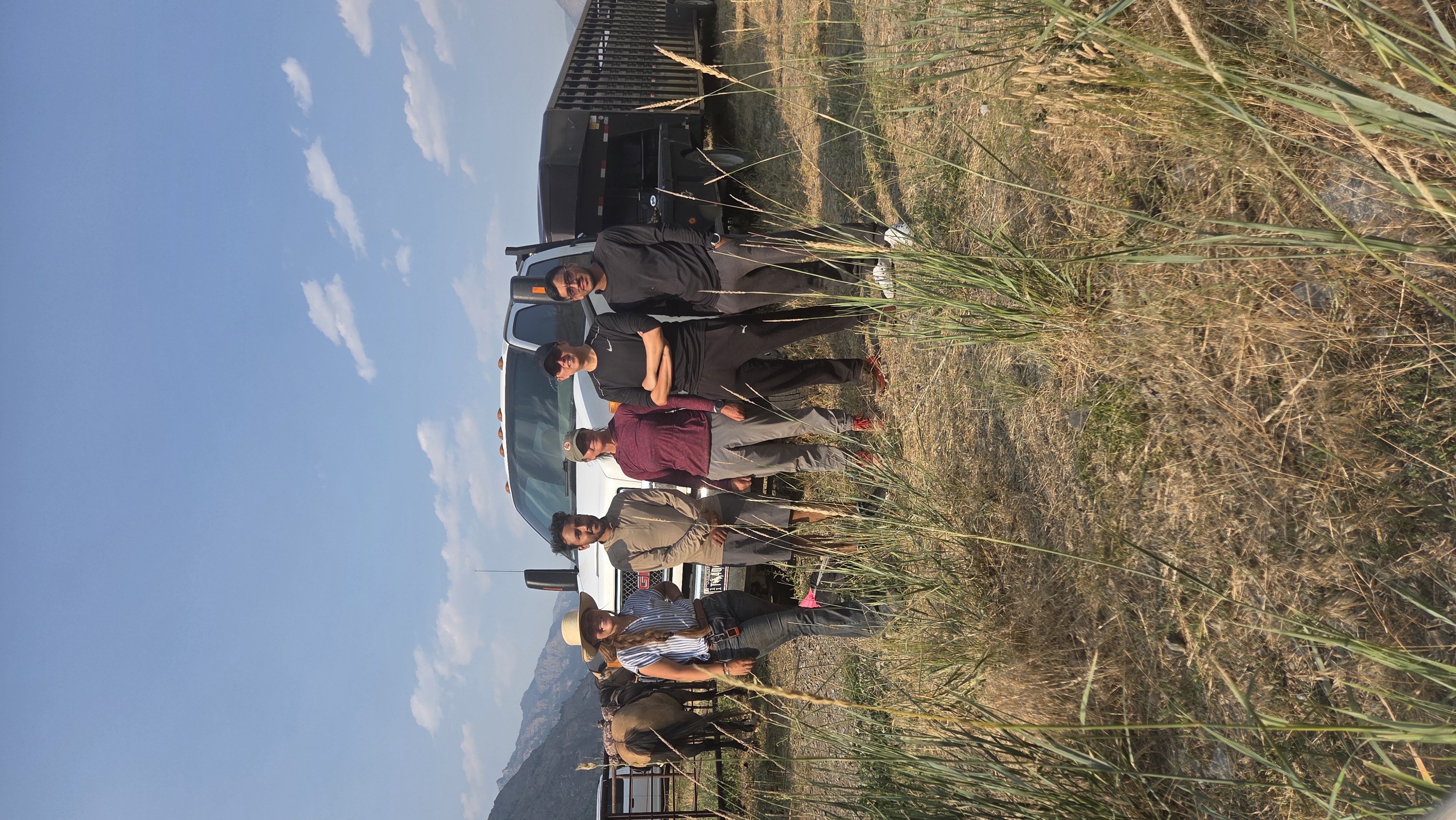
<p>The next morning we headed out. Lee stayed behind at camp, and his daughter Alex led us the whole way to the trailhead. Nearly twenty-three hours on a mule over those three days was its own kind of pain, even with everything else the trip had given us. From the trailhead we drove toward Casper, and even that stuck with me, crawling along in the dark with deer standing all down the edge of the highway. We got into Casper on the 10th, worn out and finally back to roads, lights, and a working phone.</p>

<div style="display:flex; gap:10px; margin: 1.5em 0; flex-wrap:wrap;">
  <div style="flex:1; min-width:150px;">
    <img src="/images/posts/gallaher-survey-tree-2026/p16-alex-leading-ride-out.jpg" alt="Alex leading the ride out to the trailhead" style="width:100%; border-radius:6px;" />
  </div>
  <div style="flex:1; min-width:150px;">
    <img src="/images/posts/gallaher-survey-tree-2026/p166-alex-leading-ride-out.jpg" alt="Passing the rocky train" style="width:100%; border-radius:6px;" />
  </div>
    <div style="flex:1; min-width:150px;">
    <img src="/images/posts/gallaher-survey-tree-2026/p167-alex-leading-ride-out.jpg" alt="Final photo of the returning company at the trailhead" style="width:100%; border-radius:6px;" />
  </div>
</div>
<p style="font-size:0.9em; color:#666; text-align:center;">Alex leading the way out, and the final photo taken at the trailhead with the team (From left: Alex, Saksham, Dr. Charlie, Prof. Marcia, and myself)).</p>

<p>What I keep coming back to is the work behind that whole way of living. The outfitters know those trails by heart, handle the animals every day, and spend most of their time miles from anyone, and none of it looked hard to them even when the country was steep, remote, and rough. For us it was a three-day trip. For them it’s just the job, day in and day out.</p>

<p>I owe the animals credit too. My mules, Ridley on the way in and Sandy on the way out, kept steady footing the whole time, and the dogs who came along on the trail and around camp, Rubi and Hoot especially, made the hard days easier.</p>

<p>I am grateful to the people who made this happen: my advisor Dr. Zhang, for all the talks we had, for those long days in the field and for coordinating with the Park Service and the State to make this documentation trip happen; Saksham; Prof. Marcia, for all the experiences and memories; and Lee, his crew, and Mark’s family, for the horses, the help, and the company that turned a hard job into a memory I will keep for good.</p>

<p>The main tree will not be out there much longer. There is a plan to cut out the section with the names and bring it down to a museum in Cheyenne, so people can see it up close instead of losing it to the weather. One day, you might get to stand in front of it yourself. And even after the wood is gone, the scans we collected will go toward a detailed 3D model of the trees, so there will still be an exact record of what stood there, down to the carving itself.</p>

<div style="margin: 1.5em 0;">
  <img src="/images/posts/gallaher-survey-tree-2026/p19-burned-forest-new-growth.jpg" alt="Burned forest with dense new growth coming up among the dead trees" style="width:100%; border-radius:6px;" />
  <p style="font-size:0.9em; color:#666; text-align:center;">Burned forest, and the new growth already coming up beneath it.</p>
</div>]]></content><author><name>Uttam Pal</name><email>upal@uwyo.edu</email></author><category term="Updates" /><category term="Shoshone National Forest" /><category term="Gallaher tree" /><category term="LiDAR" /><category term="archaeology" /><category term="Thorofare" /><category term="3D scanning" /><category term="fieldwork" /><summary type="html"><![CDATA[A trip into the Washakie Wilderness to document a 133-year-old inscription before it's lost.]]></summary></entry><entry><title type="html">Selected for NSF/MSU ConstructionCI CyberTraining Program</title><link href="https://pal-uttam.github.io/posts/msu-nsf-cybertraining-2026/" rel="alternate" type="text/html" title="Selected for NSF/MSU ConstructionCI CyberTraining Program" /><published>2026-05-25T00:00:00+00:00</published><updated>2026-05-25T00:00:00+00:00</updated><id>https://pal-uttam.github.io/posts/msu-nsf-cybertraining-2026</id><content type="html" xml:base="https://pal-uttam.github.io/posts/msu-nsf-cybertraining-2026/"><![CDATA[<p>I am excited to share that I have been selected to participate in the NSF/MSU ConstructionCI CyberTraining Program at Mississippi State University. Only 13 participants are selected nationwide from universities across the United States, and I am honored to be one of them.</p>

<p>The program is a National Science Foundation funded training initiative focused on cyber-physical systems for the construction industry. Over the course of the program, I will be working alongside researchers and practitioners to explore how sensing, machine learning, robotics, and cybersecurity are transforming construction practice, and how these tools can be applied to real-world construction and infrastructure challenges.</p>

<p>I look forward to bringing what I learn back into my own research on construction safety and cognitive ergonomics.</p>

<h2 id="post-training-highlights">Post-Training Highlights</h2>

<p>Having completed the program, here are some of the key areas I focused on and learned during the training:</p>

<ul>
  <li><strong>Sensing and data acquisition</strong>: Hands-on work with sensors and methods for collecting field-relevant data from construction environments.</li>
  <li><strong>Supervised learning for defect and object detection</strong>: Applied machine learning techniques for concrete crack detection and other object detection tasks relevant to construction inspection.</li>
  <li><strong>Arduino-based prototyping</strong>: Worked with Arduino microcontrollers for building and programming low-cost sensing and data collection setups.</li>
  <li><strong>Robotics in construction</strong>: Explored applications of quadruped robots (robot dogs) for site inspection and monitoring tasks.</li>
  <li><strong>Construction 4.0 and 5.0</strong>: Discussions on the shift toward digitalization, automation, and human-centered technology integration in the construction industry.</li>
  <li><strong>High-voltage lab tour and demonstration</strong>: A tour and live demonstration at Mississippi State’s high-voltage laboratory, offering insight into infrastructure and electrical systems testing.</li>
</ul>

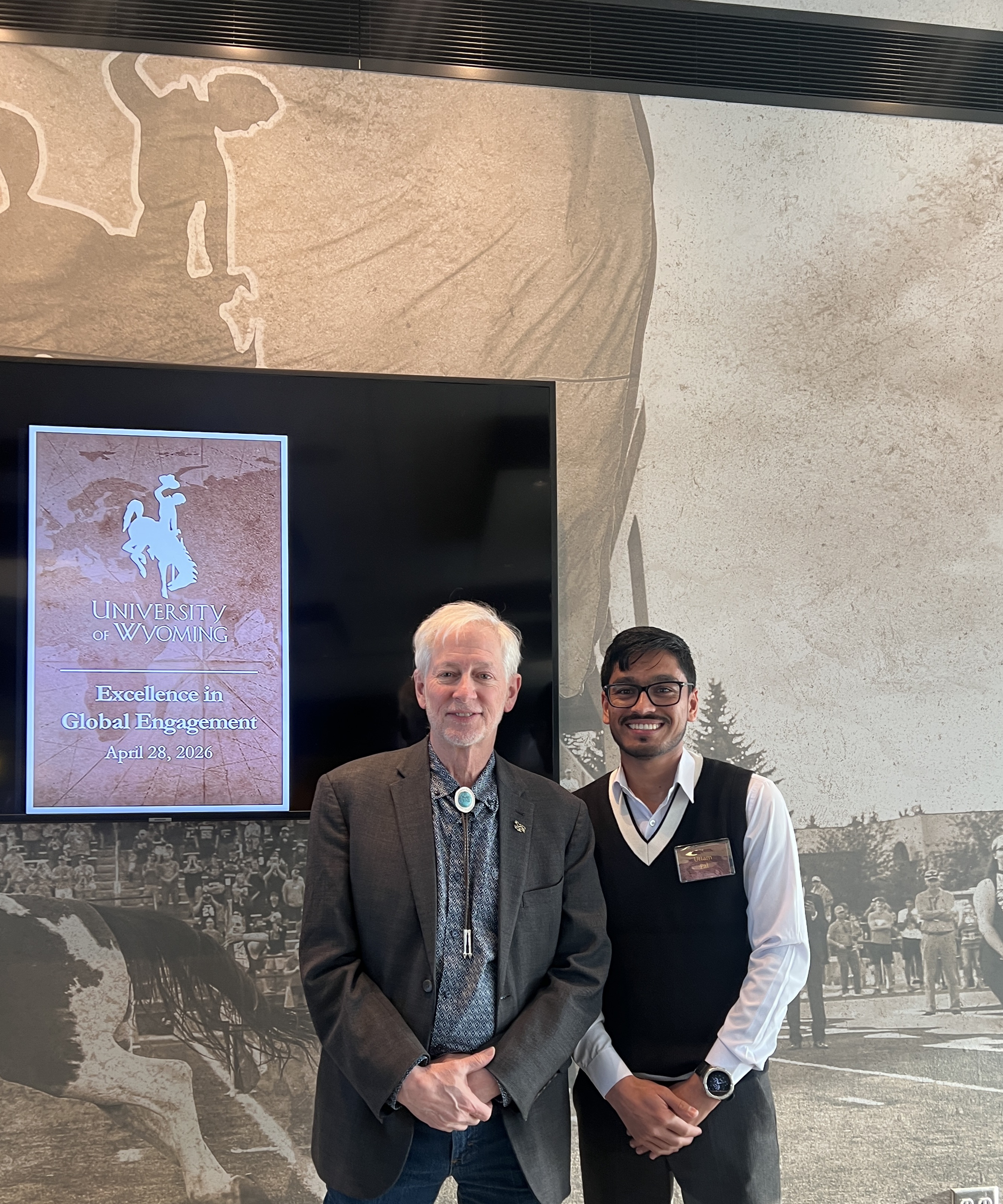
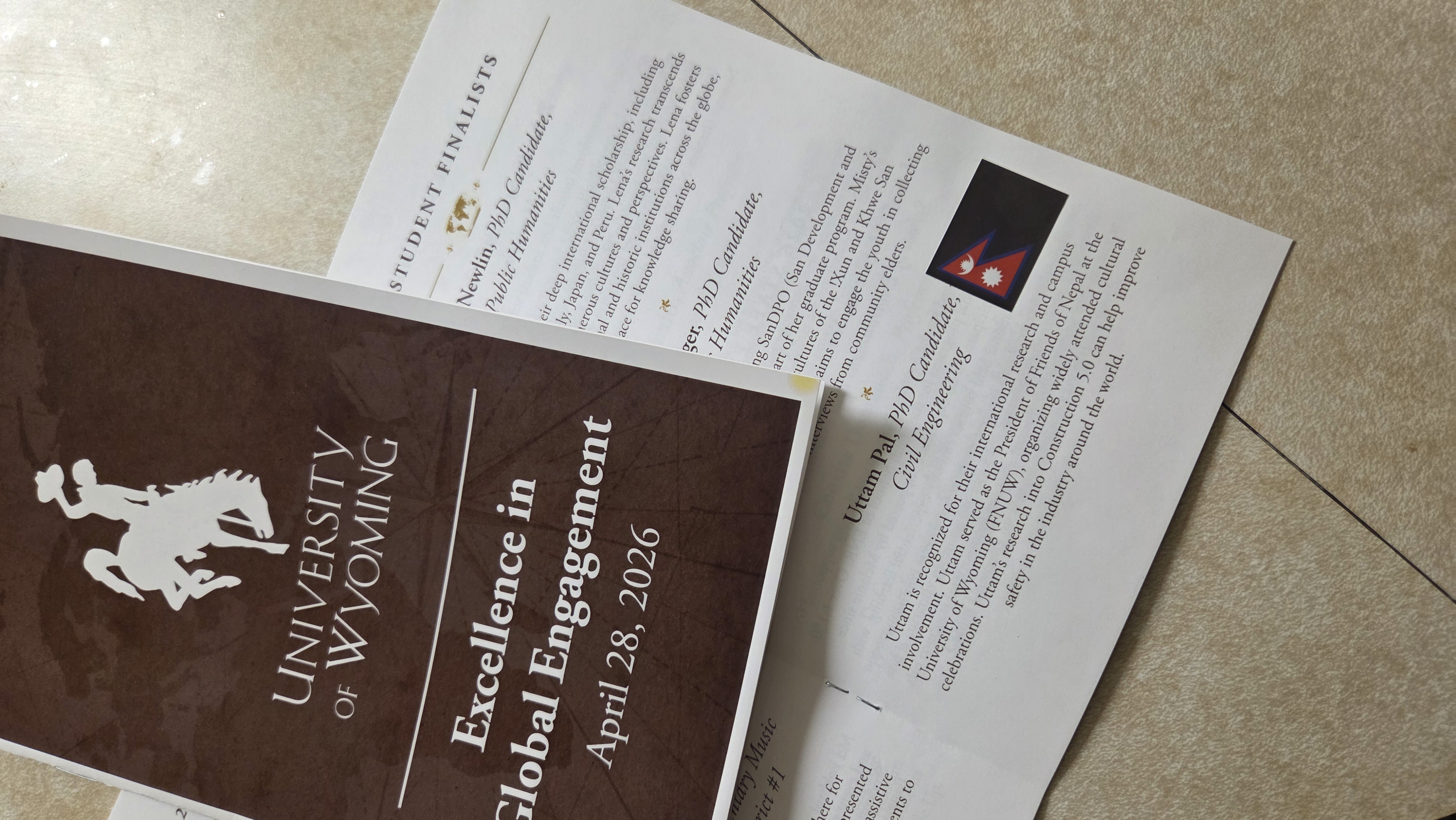
<p>I am grateful to all the colleagues, tutors, and presenters who made this program such a valuable learning experience. Their expertise and willingness to share knowledge made this training genuinely rewarding, and I look forward to staying connected with this community as my research moves forward.</p>]]></content><author><name>Uttam Pal</name><email>upal@uwyo.edu</email></author><category term="Updates" /><category term="training" /><category term="NSF" /><category term="Mississippi State University" /><category term="construction technology" /><category term="research" /><summary type="html"><![CDATA[Selected as one of 13 participants nationwide for the NSF-funded ConstructionCI CyberTraining Program at Mississippi State University.]]></summary></entry><entry><title type="html">Recognized as Finalist for Excellence in Global Engagement Student Award</title><link href="https://pal-uttam.github.io/posts/global-engagement-award-2026/" rel="alternate" type="text/html" title="Recognized as Finalist for Excellence in Global Engagement Student Award" /><published>2026-04-28T00:00:00+00:00</published><updated>2026-04-28T00:00:00+00:00</updated><id>https://pal-uttam.github.io/posts/global-engagement-award-2026</id><content type="html" xml:base="https://pal-uttam.github.io/posts/global-engagement-award-2026/"><![CDATA[<p>I was honored to be recognized as a finalist for the Excellence in Global Engagement Student Award at the University of Wyoming on April 28, 2026.</p>

<p>The award recognizes students, faculty, and staff whose work contributes to global engagement through research, teaching, service, and community involvement.</p>

<p>Being nominated and selected as a finalist means a lot to me. I am grateful to the people who supported and encouraged me throughout this journey.</p>

<p>My work has focused on research, community engagement, and activities that connect people from different backgrounds and experiences. It was meaningful to see these efforts recognized at the university level.</p>

<p>I would like to sincerely thank my nominators, mentors, colleagues, and friends for their continued support and encouragement.</p>

<p>This recognition motivates me to continue working in ways that contribute positively to both local and global communities.</p>

<h2 id="photo-gallery">Photo Gallery</h2>

<figure class="half ">
  
    
      <a href="https://pal-uttam.github.io/images//posts/global-engagement-award-2026/with-president-sidel.JPG" title="With UW President Ed Seidel">
        <img src="https://pal-uttam.github.io/images//posts/global-engagement-award-2026/with-president-sidel.JPG" alt="With UW President Ed Seidel" />
      </a>


      <a href="https://pal-uttam.github.io/images//posts/global-engagement-award-2026/recognition.jpg" title="Recognition booklet">
        <img src="https://pal-uttam.github.io/images//posts/global-engagement-award-2026/recognition.jpg" alt="Recognition booklet" />
      </a>


    <figcaption>Highlights from the Excellence in Global Engagement Awards event.
</figcaption>
  
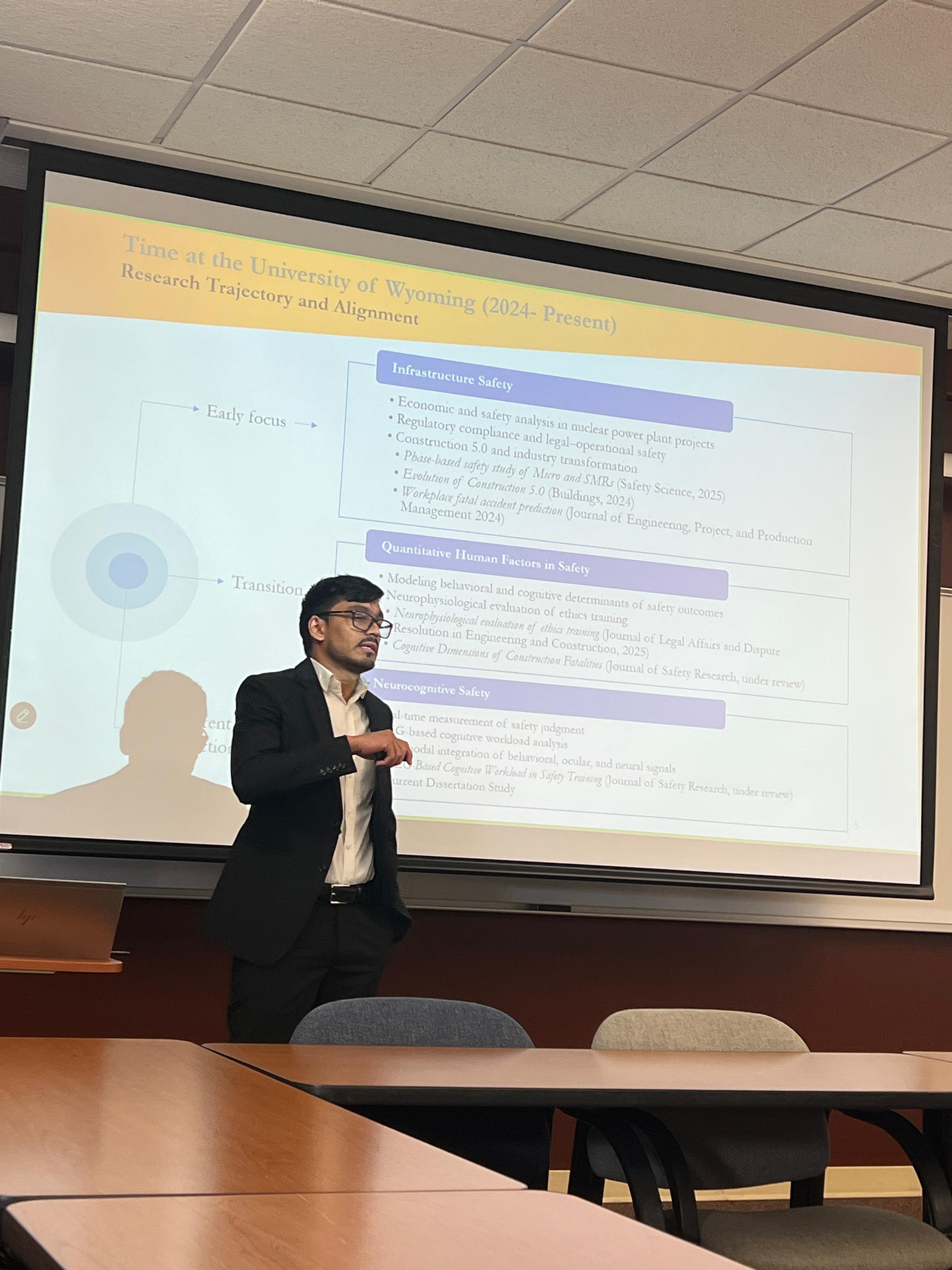
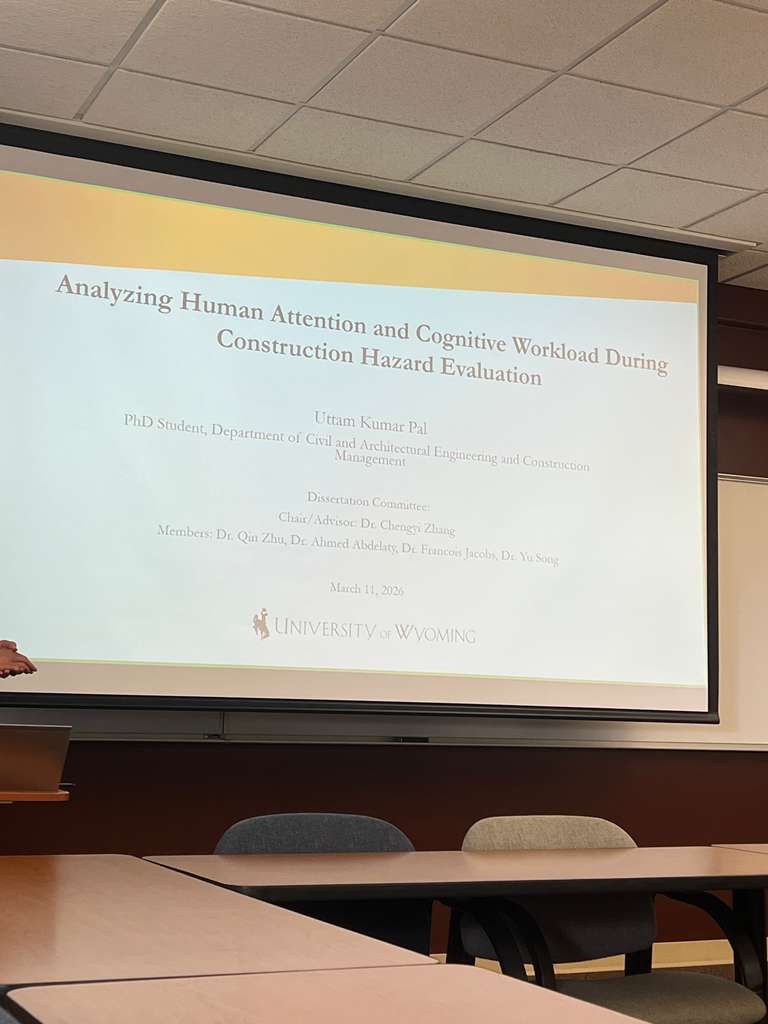
</figure>]]></content><author><name>Uttam Pal</name><email>upal@uwyo.edu</email></author><category term="Updates" /><category term="award" /><category term="recognition" /><category term="global engagement" /><category term="university of wyoming" /><category term="research" /><summary type="html"><![CDATA[Recognized as a finalist for the Excellence in Global Engagement Student Award at the University of Wyoming.]]></summary></entry><entry><title type="html">Completed PhD Preliminary Exam and Advanced to Candidacy</title><link href="https://pal-uttam.github.io/posts/phd-candidacy/" rel="alternate" type="text/html" title="Completed PhD Preliminary Exam and Advanced to Candidacy" /><published>2026-04-27T00:00:00+00:00</published><updated>2026-04-27T00:00:00+00:00</updated><id>https://pal-uttam.github.io/posts/phd-candidacy</id><content type="html" xml:base="https://pal-uttam.github.io/posts/phd-candidacy/"><![CDATA[<p>I recently completed my PhD preliminary exam and successfully presented my research proposal. With this, I have advanced to PhD candidacy in Civil Engineering at the University of Wyoming.</p>

<p>My research focuses on analyzing human attention and cognitive workload during construction hazard evaluation. In simple terms, I study how people look at work situations, how they decide whether something is safe or unsafe, and how mental workload affects those decisions.</p>

<p>The goal of this work is to better understand where people may miss hazards or take longer to recognize risks, and how we can improve safety in construction environments.</p>

<p>This was an important step in my PhD journey, and I am grateful to my advisor and committee members for their support and guidance.</p>

<p>I am looking forward to continuing this research in the next phase.</p>

<h2 id="photo-gallery">Photo Gallery</h2>

<figure class="half ">
  
    
      <a href="https://pal-uttam.github.io/images//posts/phd-candidacy/presentation.jpg" title="Proposal presentation">
        <img src="https://pal-uttam.github.io/images//posts/phd-candidacy/presentation.jpg" alt="Presenting my proposal" />
      </a>


      <a href="https://pal-uttam.github.io/images//posts/phd-candidacy/slide.jpg" title="Research presentation overview">
        <img src="https://pal-uttam.github.io/images//posts/phd-candidacy/slide.jpg" alt="Research presentation slide" />
      </a>


    <figcaption>Moments from my proposal presentation and PhD candidacy milestone.
</figcaption>
  
</figure>]]></content><author><name>Uttam Pal</name><email>upal@uwyo.edu</email></author><category term="Updates" /><category term="phd" /><category term="milestone" /><category term="research" /><category term="construction safety" /><category term="cognitive ergonomics" /><summary type="html"><![CDATA[Completed my preliminary exam and proposal defense and advanced to PhD candidacy at the University of Wyoming.]]></summary></entry><entry><title type="html">Concluding My Tenure as President of Friends of Nepal at UW</title><link href="https://pal-uttam.github.io/posts/fnuw-tenure-conclusion-2026/" rel="alternate" type="text/html" title="Concluding My Tenure as President of Friends of Nepal at UW" /><published>2026-04-04T00:00:00+00:00</published><updated>2026-04-04T00:00:00+00:00</updated><id>https://pal-uttam.github.io/posts/fnuw-tenure-conclusion</id><content type="html" xml:base="https://pal-uttam.github.io/posts/fnuw-tenure-conclusion-2026/"><![CDATA[<p>As my time as President of Friends of Nepal at the University of Wyoming comes to an end, I feel grateful for the people I worked with and the experiences we shared.</p>

<p>This role gave me the chance to serve the Nepali student and community group at UW in a more direct way. It was not always easy, but it was meaningful. I learned a lot about planning, teamwork, communication, and showing up for the community.</p>

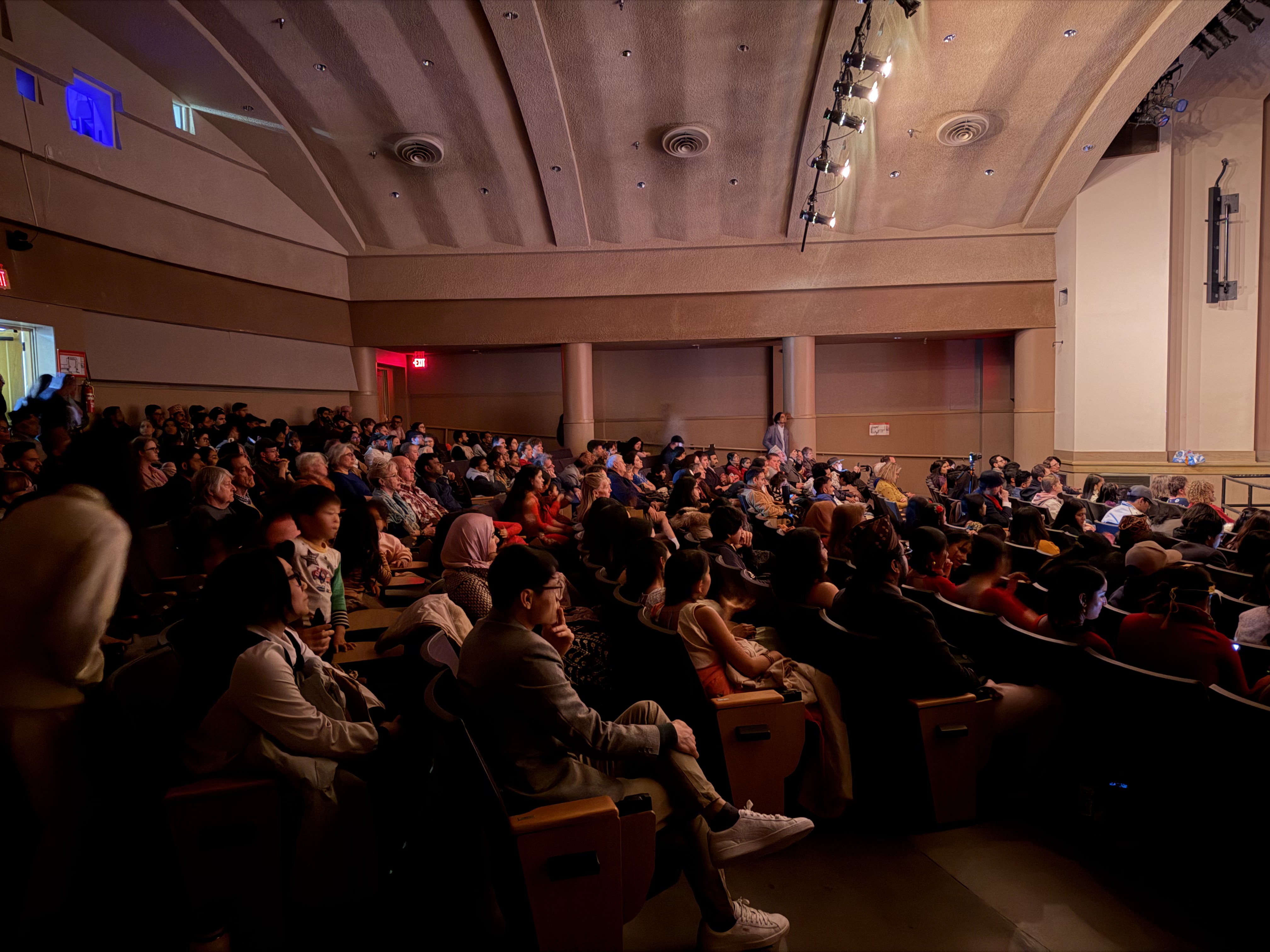
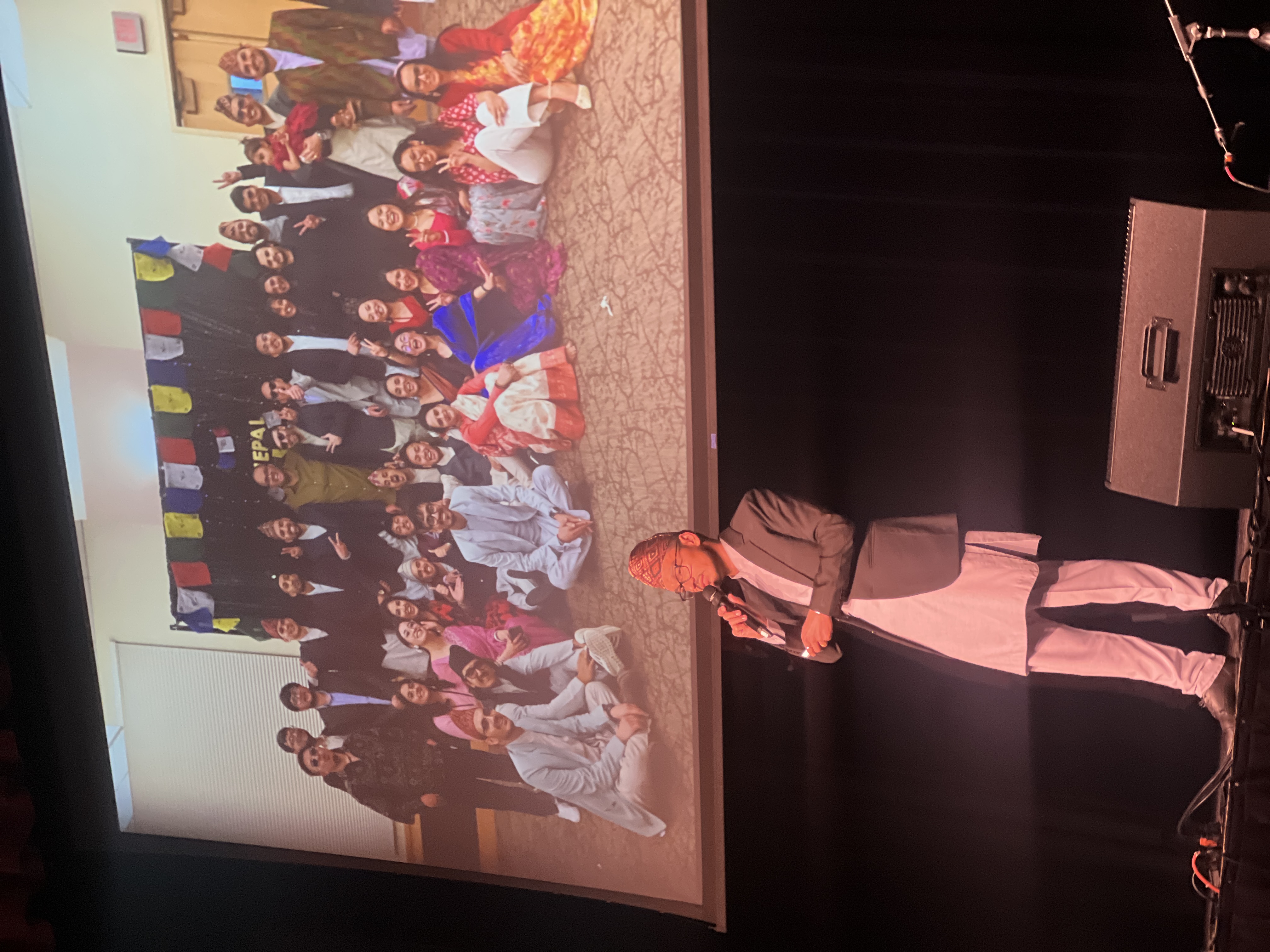
<p>One of the biggest moments of this term was <em>Celebrate Nepal 2026</em>. The event brought together students, families, faculty, staff, and community members to celebrate Nepali culture through food, music, dance, and shared stories. Seeing so many people come together made the work behind the event worth it.</p>

<p>I am also thankful to have been nominated for the Student Organization Leader of the Year award. The nomination itself meant a lot to me because it reflected the support and trust I received from people around me.</p>

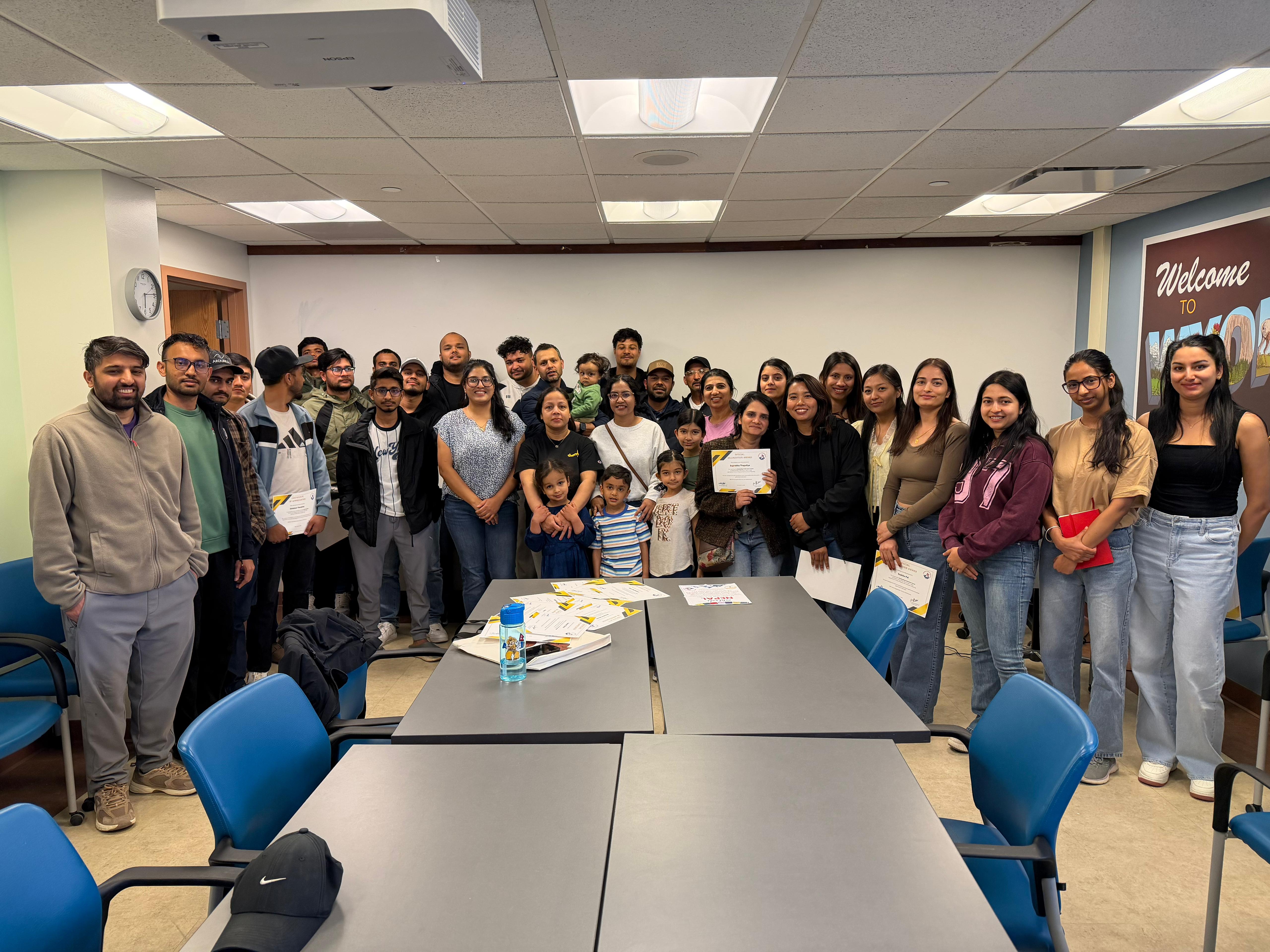
<p>I want to thank the FNUW executive board, volunteers, performers, sponsors, advisors, and everyone who helped during this term. This was a team effort, and I was lucky to work with people who cared about the organization and the community.</p>

<p>I will always value this chapter of my time at UW. I hope Friends of Nepal at UW continues to grow and remains a welcoming space for Nepali students, families, and friends of Nepal in Wyoming.</p>

<h2 id="photo-gallery">Photo Gallery</h2>

<figure class="third ">
  
    
      <a href="https://pal-uttam.github.io/images//posts/fnuw-tenure-conclusion-2026/audiance.jpg" title="Audience at Celebrate Nepal 2026">
        <img src="https://pal-uttam.github.io/images//posts/fnuw-tenure-conclusion-2026/audiance.jpg" alt="Audience at Celebrate Nepal 2026" />
      </a>


      <a href="https://pal-uttam.github.io/images//posts/fnuw-tenure-conclusion-2026/community.jpeg" title="Community gathering">
        <img src="https://pal-uttam.github.io/images//posts/fnuw-tenure-conclusion-2026/community.jpeg" alt="Community gathering" />
      </a>


      <a href="https://pal-uttam.github.io/images//posts/fnuw-tenure-conclusion-2026/event.jpg" title="Celebrate Nepal 2026">
        <img src="https://pal-uttam.github.io/images//posts/fnuw-tenure-conclusion-2026/event.jpg" alt="Celebrate Nepal 2026 event" />
      </a>


    <figcaption>Highlights from Celebrate Nepal 2026 and my time with Friends of Nepal at UW.
</figcaption>
  
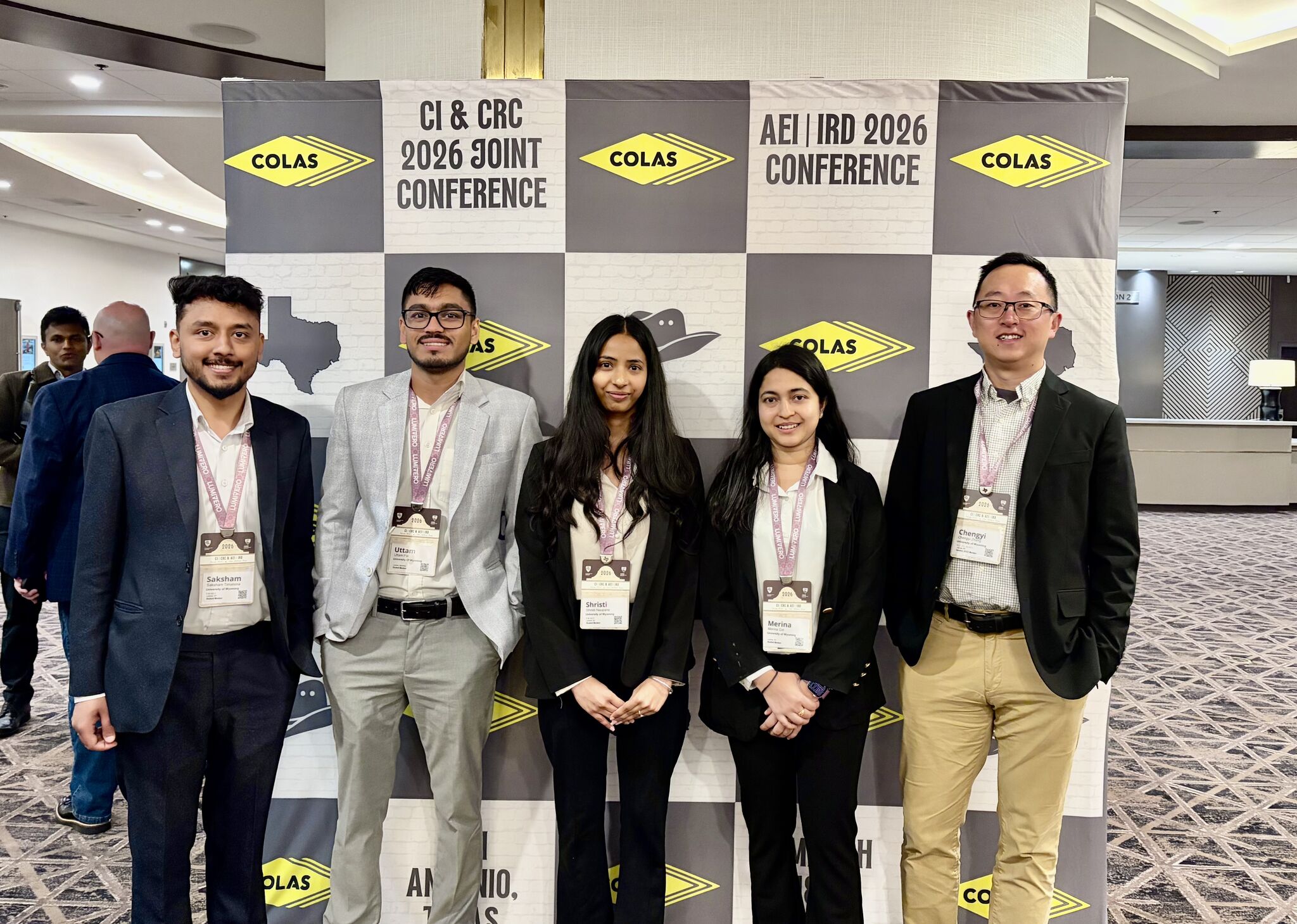
</figure>]]></content><author><name>Uttam Pal</name><email>upal@uwyo.edu</email></author><category term="Updates" /><category term="fnuw" /><category term="friends of nepal" /><category term="leadership" /><category term="community" /><category term="nepal" /><category term="university of wyoming" /><category term="celebrate nepal" /><summary type="html"><![CDATA[A short reflection on my time as President of Friends of Nepal at UW, Celebrate Nepal 2026, and being nominated for Student Organization Leader of the Year.]]></summary></entry><entry><title type="html">Attending the 2026 LADR Workshop at CI &amp;amp; CRC Joint Conference</title><link href="https://pal-uttam.github.io/posts/ladr-ci-crc-2026/" rel="alternate" type="text/html" title="Attending the 2026 LADR Workshop at CI &amp;amp; CRC Joint Conference" /><published>2026-03-20T00:00:00+00:00</published><updated>2026-03-20T00:00:00+00:00</updated><id>https://pal-uttam.github.io/posts/ci-summit-2026-presentation</id><content type="html" xml:base="https://pal-uttam.github.io/posts/ladr-ci-crc-2026/"><![CDATA[<p>I recently attended the 2026 LADR Workshop at the CI &amp; CRC Joint Conference in San Antonio, organized by ASCE’s Construction Institute. The event brought together researchers and professionals working in construction law, risk management, and project delivery.</p>

<p>During the conference, two of our co-authored papers were presented. Our paper, <strong>“Legal Risk Mitigation in Hydrogen Pipeline Transport Through Corrective Action Order Analysis,”</strong> was presented by my co-author Saksham Timalsina. Another paper, <strong>“Identifying and Reducing Legal Issues in Construction Submittals through Case Law Analysis,”</strong> was presented by Merina Giri.</p>

<p>Both studies focus on understanding legal risks in construction projects and identifying ways to reduce disputes using real-world case data. It was great to see our work being shared and discussed in that setting.</p>

<p>Beyond the technical sessions, the conference was also a great opportunity to connect with people in the field. I had several meaningful conversations, made new connections, and also got to reconnect with a few friends from my undergraduate days in Nepal.</p>

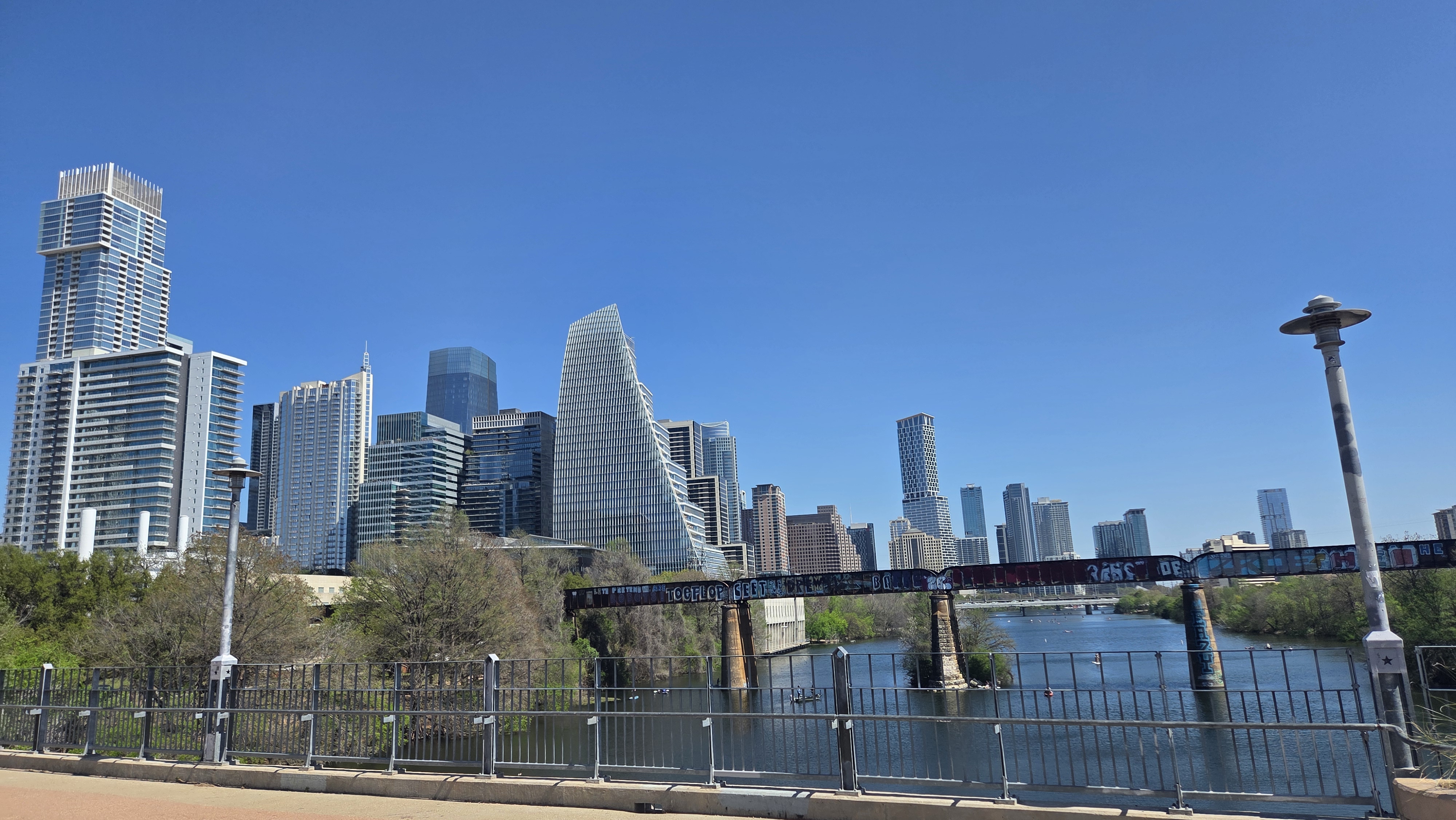
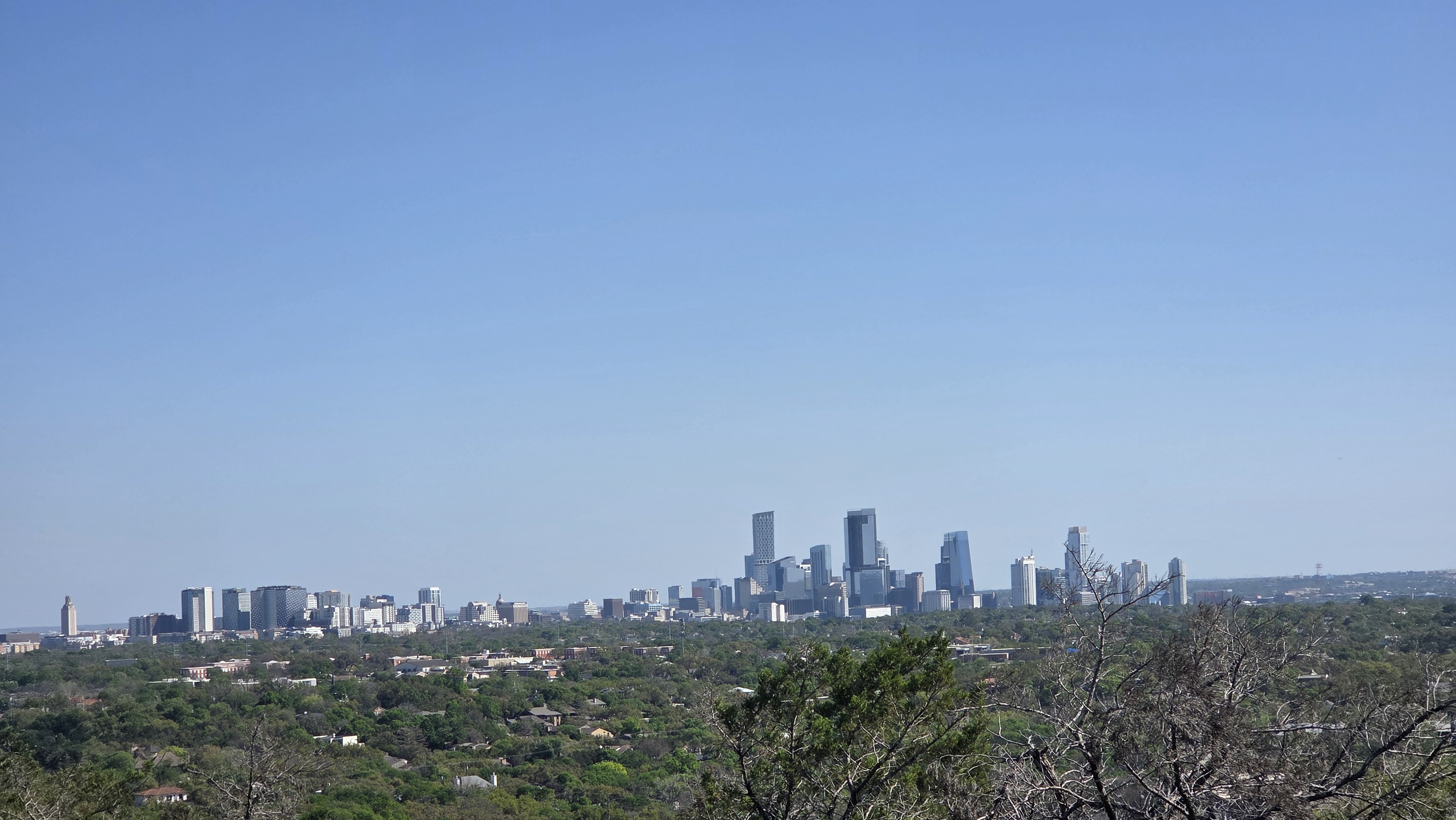
<p>Outside the conference, I spent some time exploring San Antonio and also visited Austin. Walking around downtown Austin and hiking up Mount Bonnell were definitely highlights, especially the panoramic view from the top.</p>

<p>Overall, this trip was a great mix of research, networking, and travel, and it gave me fresh motivation for my ongoing work.</p>

<h2 id="photo-gallery">Photo Gallery</h2>

<figure class="third ">
  
    
      <a href="https://pal-uttam.github.io/images//posts/ladr-ci-crc-2026/conference-group.jpg" title="With lab mates and advisor at the conference venue">
        <img src="https://pal-uttam.github.io/images//posts/ladr-ci-crc-2026/conference-group.jpg" alt="With lab mates and advisor at conference venue" />
      </a>


      <a href="https://pal-uttam.github.io/images//posts/ladr-ci-crc-2026/austin-downtown.jpg" title="Downtown Austin exploration">
        <img src="https://pal-uttam.github.io/images//posts/ladr-ci-crc-2026/austin-downtown.jpg" alt="Austin downtown" />
      </a>


      <a href="https://pal-uttam.github.io/images//posts/ladr-ci-crc-2026/mount-bonnell.jpg" title="Panoramic view from Mount Bonnell">
        <img src="https://pal-uttam.github.io/images//posts/ladr-ci-crc-2026/mount-bonnell.jpg" alt="Mount Bonnell panoramic view" />
      </a>


    <figcaption>Highlights from the CI &amp; CRC Joint Conference and my visit to Austin.
</figcaption>
  
</figure>]]></content><author><name>Uttam Pal</name><email>upal@uwyo.edu</email></author><category term="Updates" /><category term="conference" /><category term="research" /><category term="construction law" /><category term="networking" /><category term="hydrogen infrastructure" /><category term="travel" /><summary type="html"><![CDATA[Reflections from attending the 2026 LADR Workshop in San Antonio, including research presentations, networking, and exploring Austin.]]></summary></entry><entry><title type="html">Editor’s Choice Award for Construction Delay Prediction Study</title><link href="https://pal-uttam.github.io/posts/editors-choice-construction-delay-model/" rel="alternate" type="text/html" title="Editor’s Choice Award for Construction Delay Prediction Study" /><published>2026-01-02T00:00:00+00:00</published><updated>2026-01-02T00:00:00+00:00</updated><id>https://pal-uttam.github.io/posts/editors-choice</id><content type="html" xml:base="https://pal-uttam.github.io/posts/editors-choice-construction-delay-model/"><![CDATA[<p>I am happy to share that our paper, <strong>“Developing a Construction Delay Prediction Model as a Delay-Avoidance Strategy for Public Construction Projects,”</strong> published in the <em>Journal of Legal Affairs and Dispute Resolution in Engineering and Construction</em> (ASCE) in May 2025, has received an <strong>Editor’s Choice Award</strong>.</p>

<p>The study focuses on one of the most persistent challenges in public construction projects: delays. Construction delays often lead to financial losses, cost overruns, and conflicts between stakeholders. While many past studies have relied on survey data, our research used real project data from 32 public construction projects to better understand why delays occur and how they affect project costs.</p>

<p>Using statistical analysis, we developed a delay prediction model that estimates potential delays based on specific project characteristics. The goal of the model is to help project teams identify risks early and make better planning decisions before problems escalate.</p>

<p>The findings show that early prediction of delays can support more efficient resource allocation, reduce the likelihood of budget overruns, and improve overall project performance. By integrating the model into planning and contract strategies, public agencies can take proactive steps to minimize the impact of delays.</p>

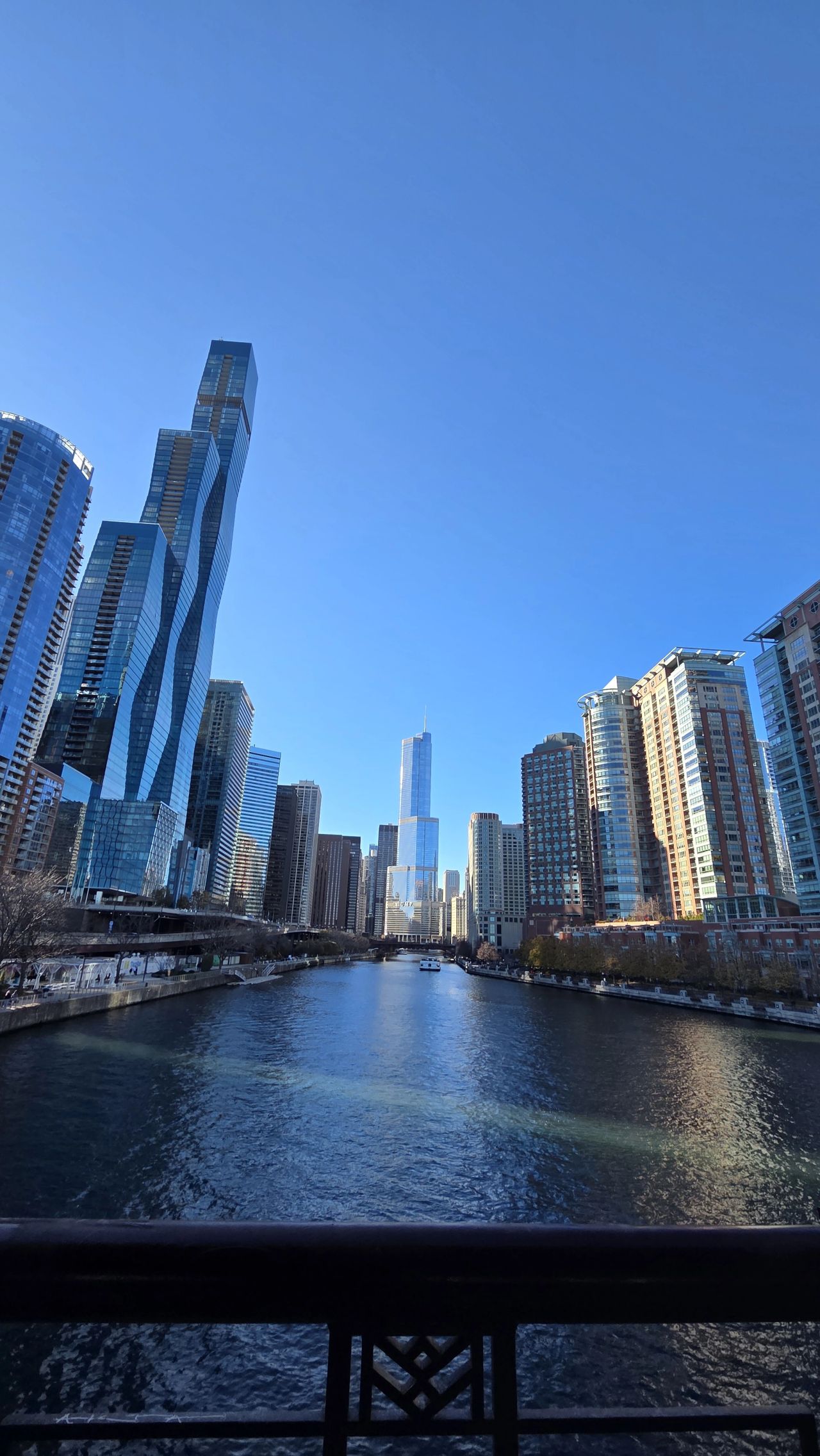
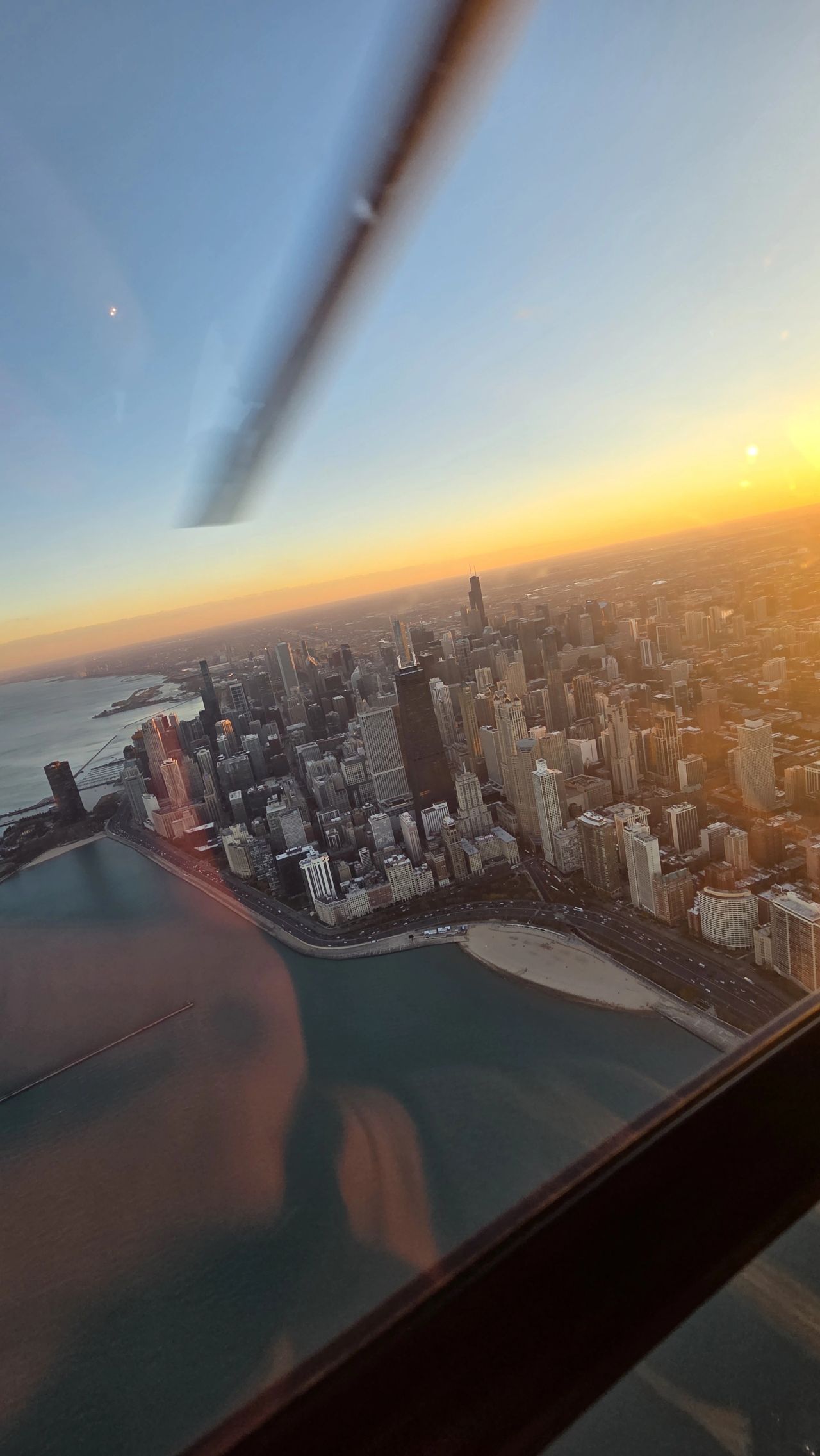
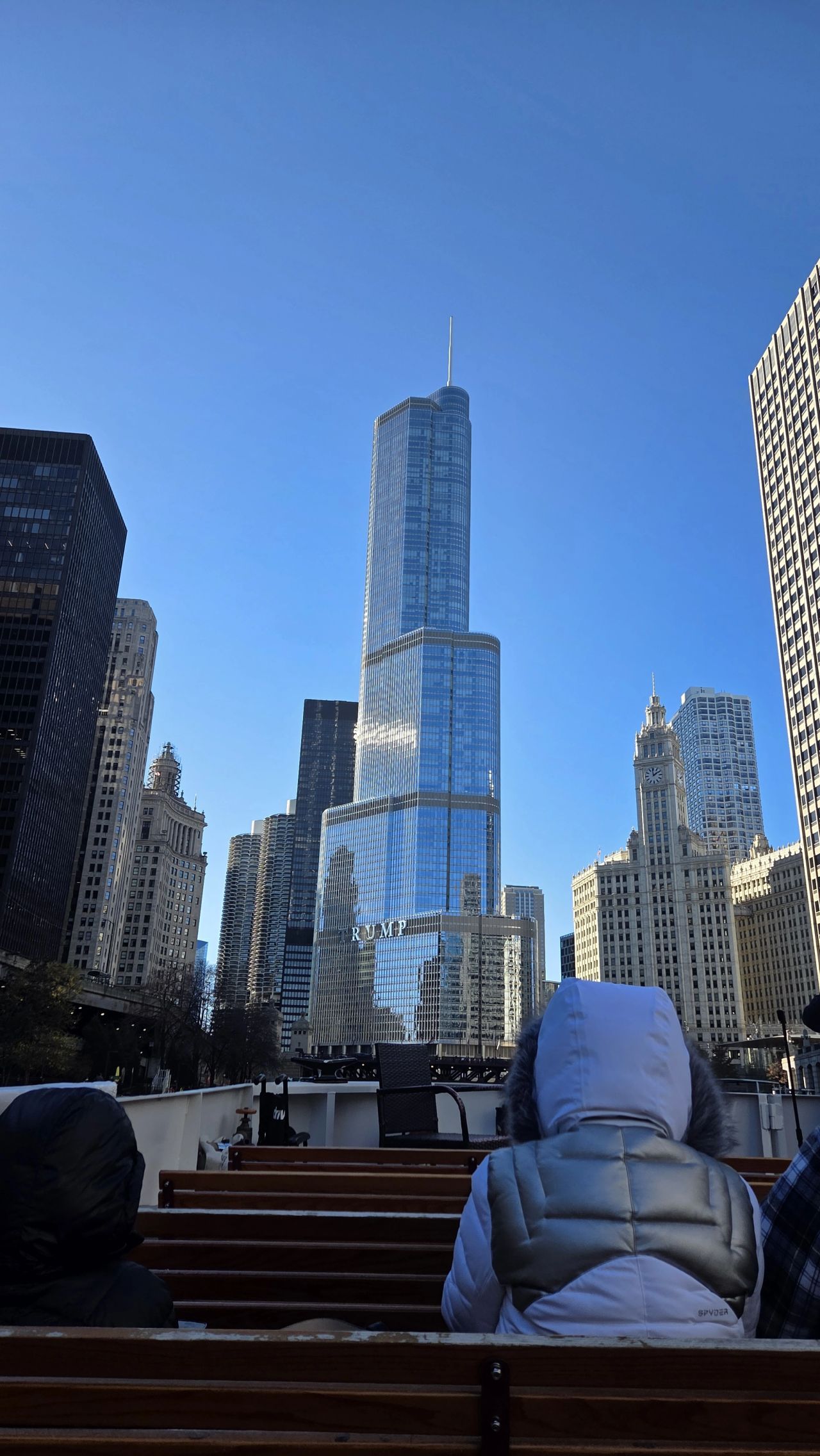
<p><a href="https://ascelibrary.org/doi/abs/10.1061/JLADAH.LADR-1276" target="_blank">Read the paper on ASCE Library</a></p>]]></content><author><name>Uttam Pal</name><email>upal@uwyo.edu</email></author><category term="Updates" /><category term="publication" /><category term="award" /><category term="construction management" /><category term="project performance" /><category term="public infrastructure" /><summary type="html"><![CDATA[Our study on predicting construction delays in public projects has been recognized with an Editor’s Choice award.]]></summary></entry><entry><title type="html">Observations from an Architecture Tour in Chicago</title><link href="https://pal-uttam.github.io/posts/chicago-architecture-tour/" rel="alternate" type="text/html" title="Observations from an Architecture Tour in Chicago" /><published>2025-11-16T00:00:00+00:00</published><updated>2025-11-16T00:00:00+00:00</updated><id>https://pal-uttam.github.io/posts/chicago-architecture-tour</id><content type="html" xml:base="https://pal-uttam.github.io/posts/chicago-architecture-tour/"><![CDATA[<p>During my first visit to Chicago, I had the opportunity to explore the downtown area through an architecture-focused walking tour. Moving through the city made it clear how deeply engineering and history are embedded in the skyline.</p>

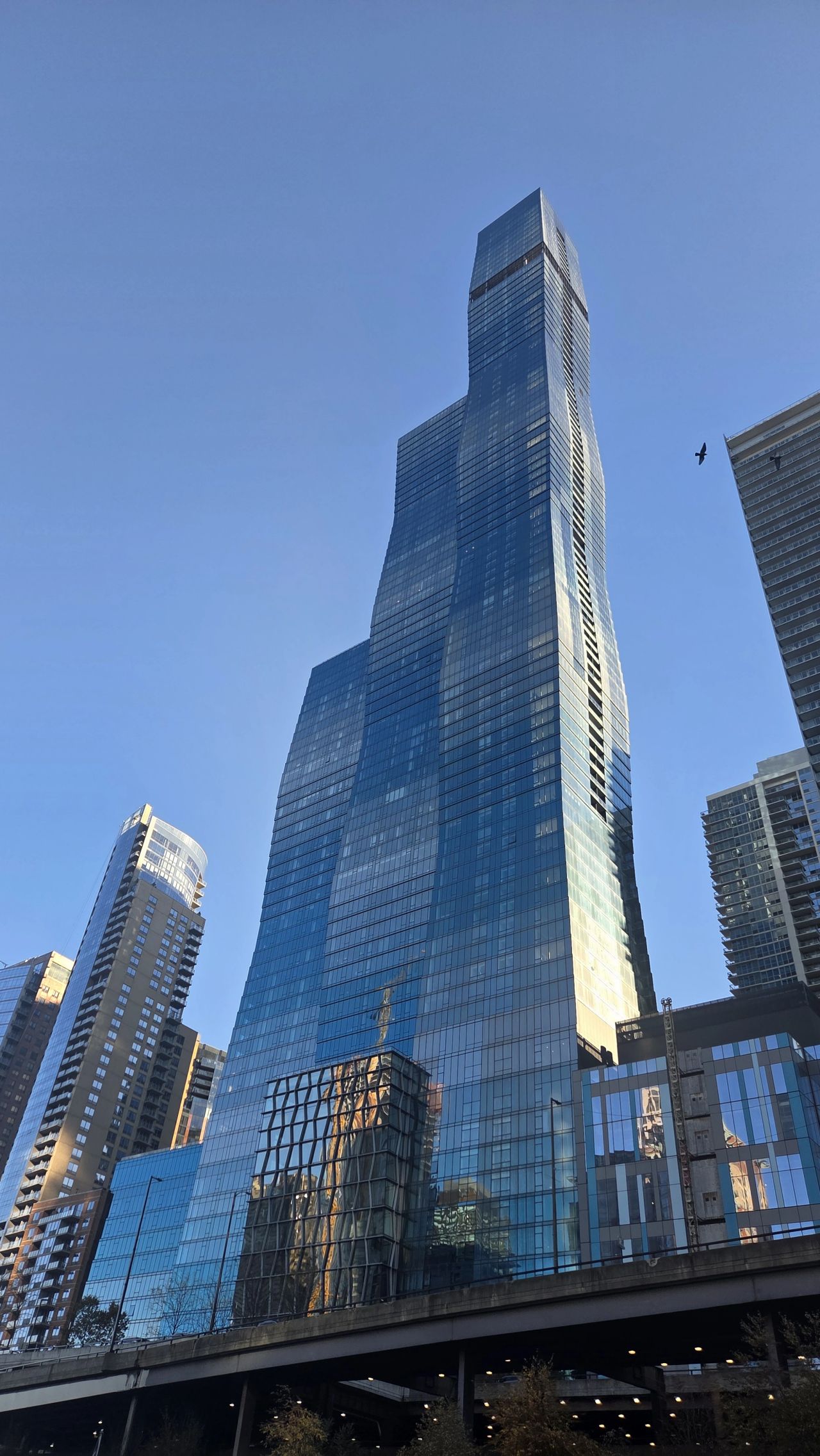
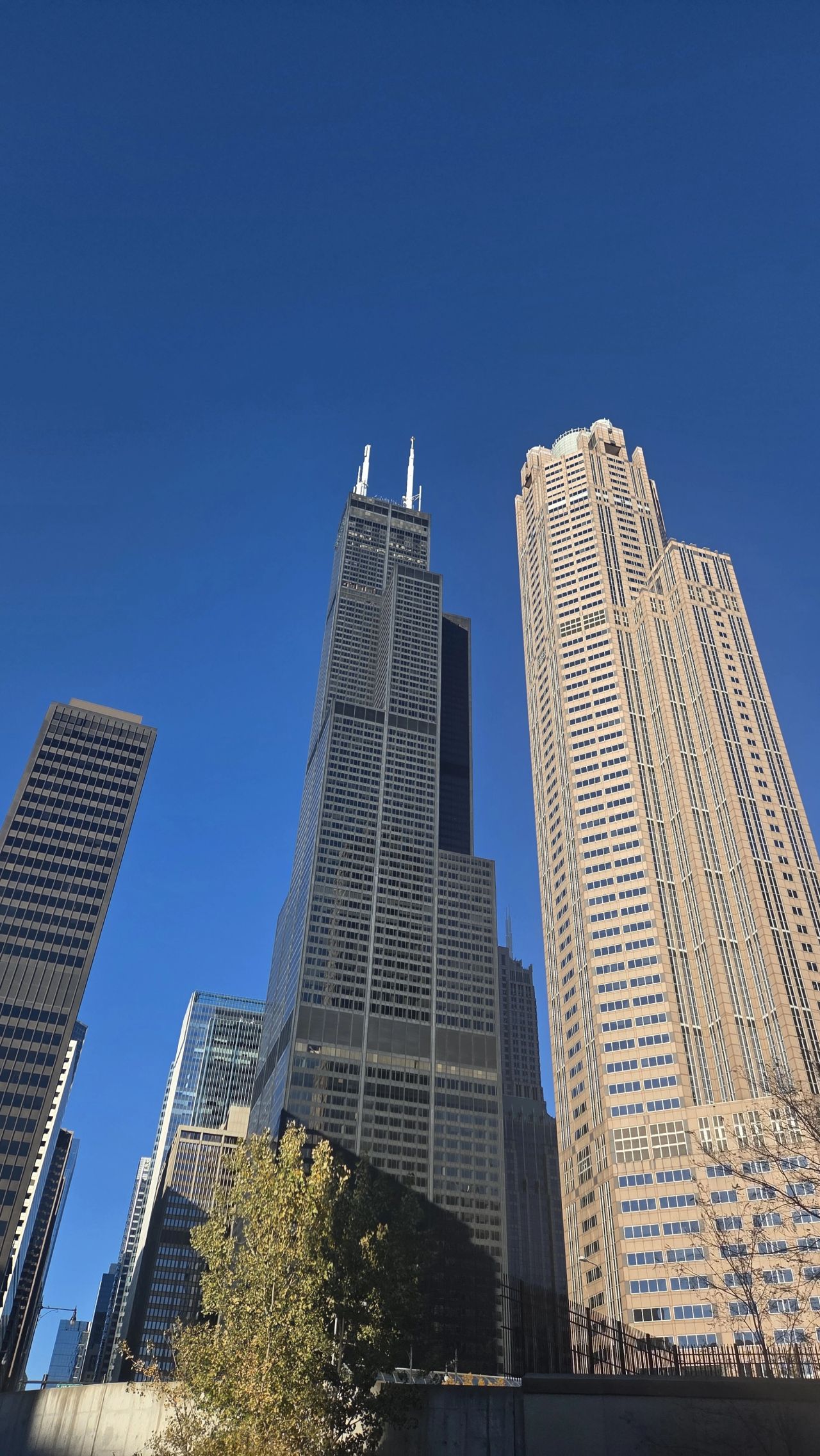
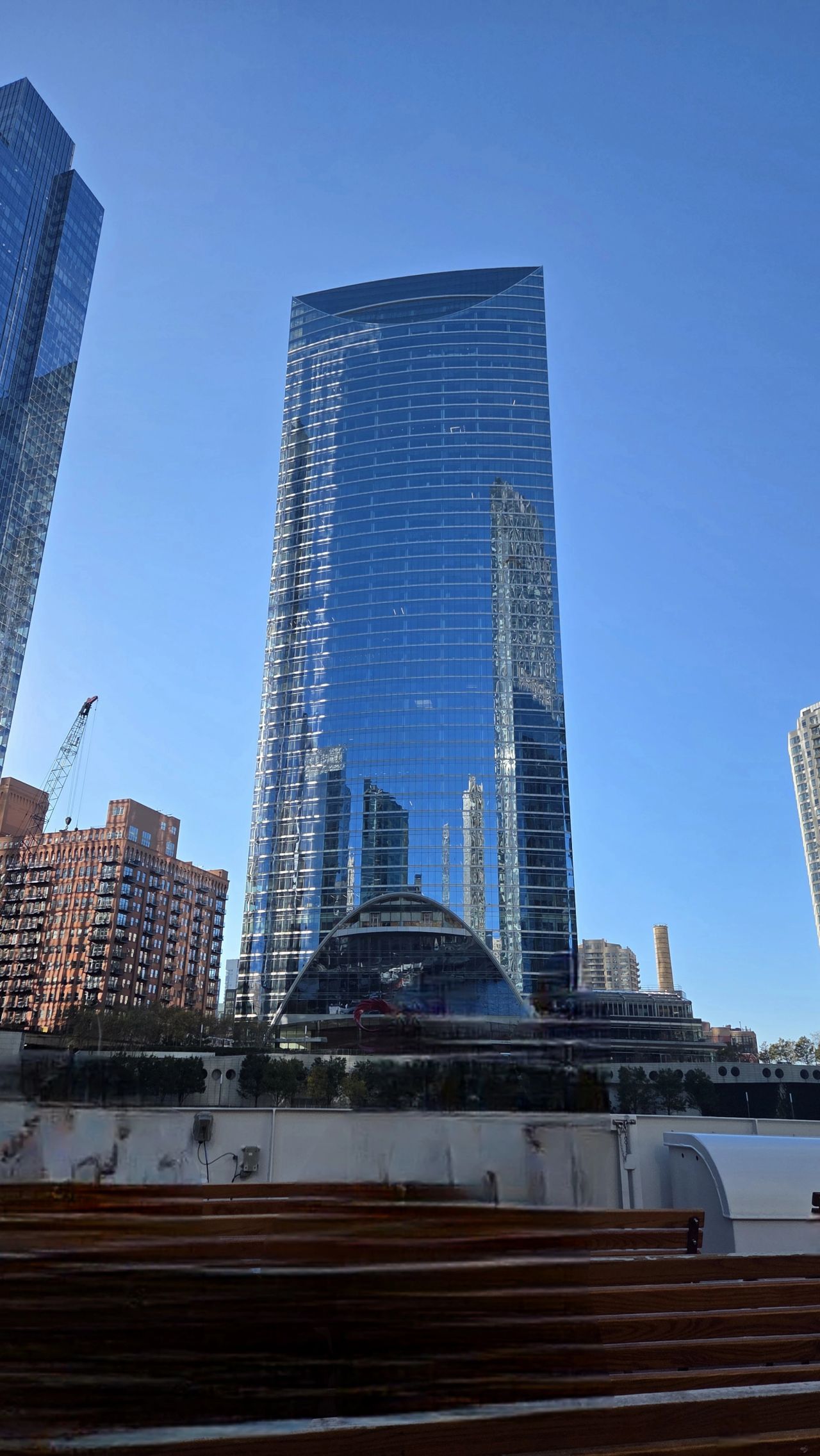
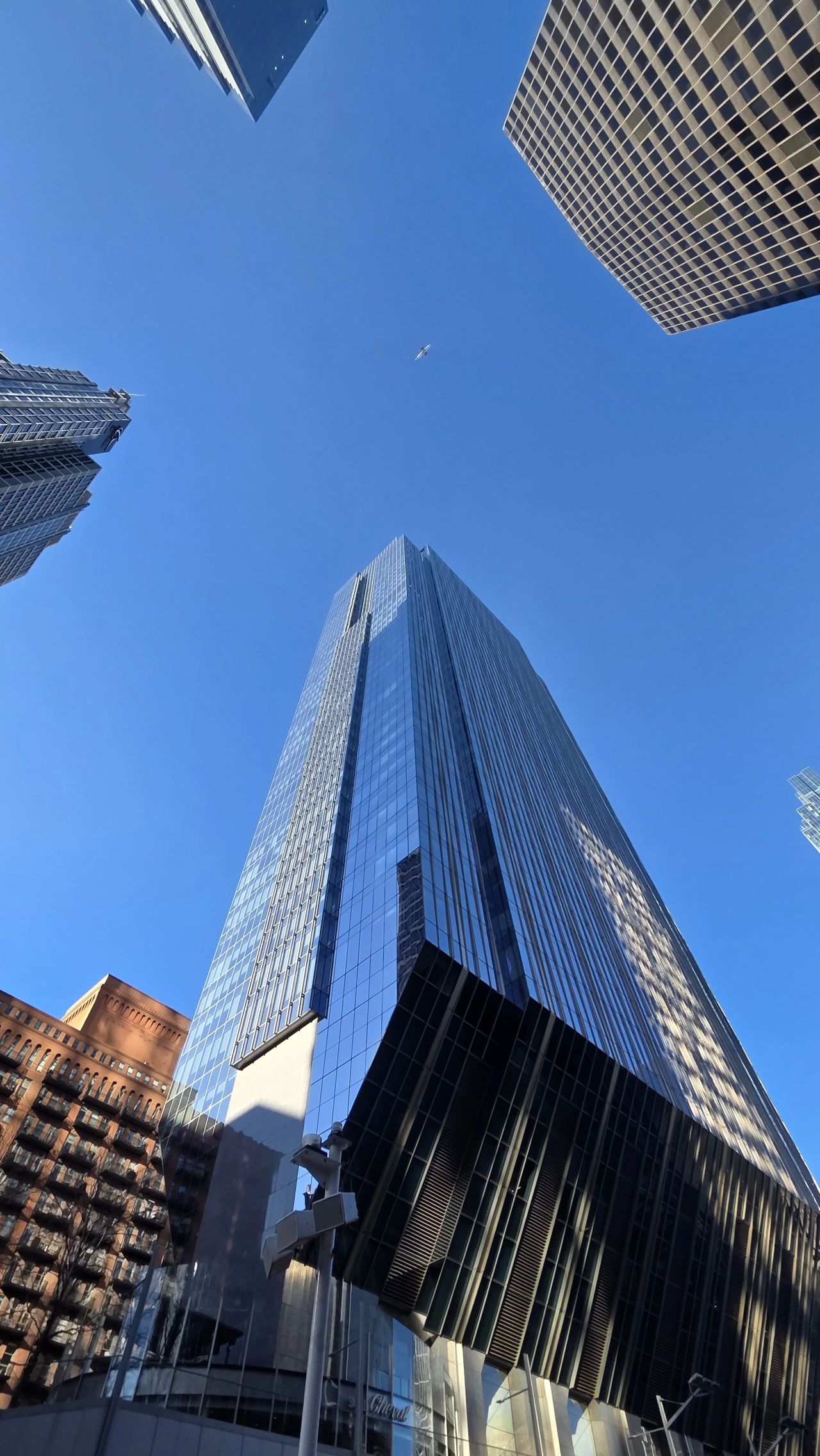
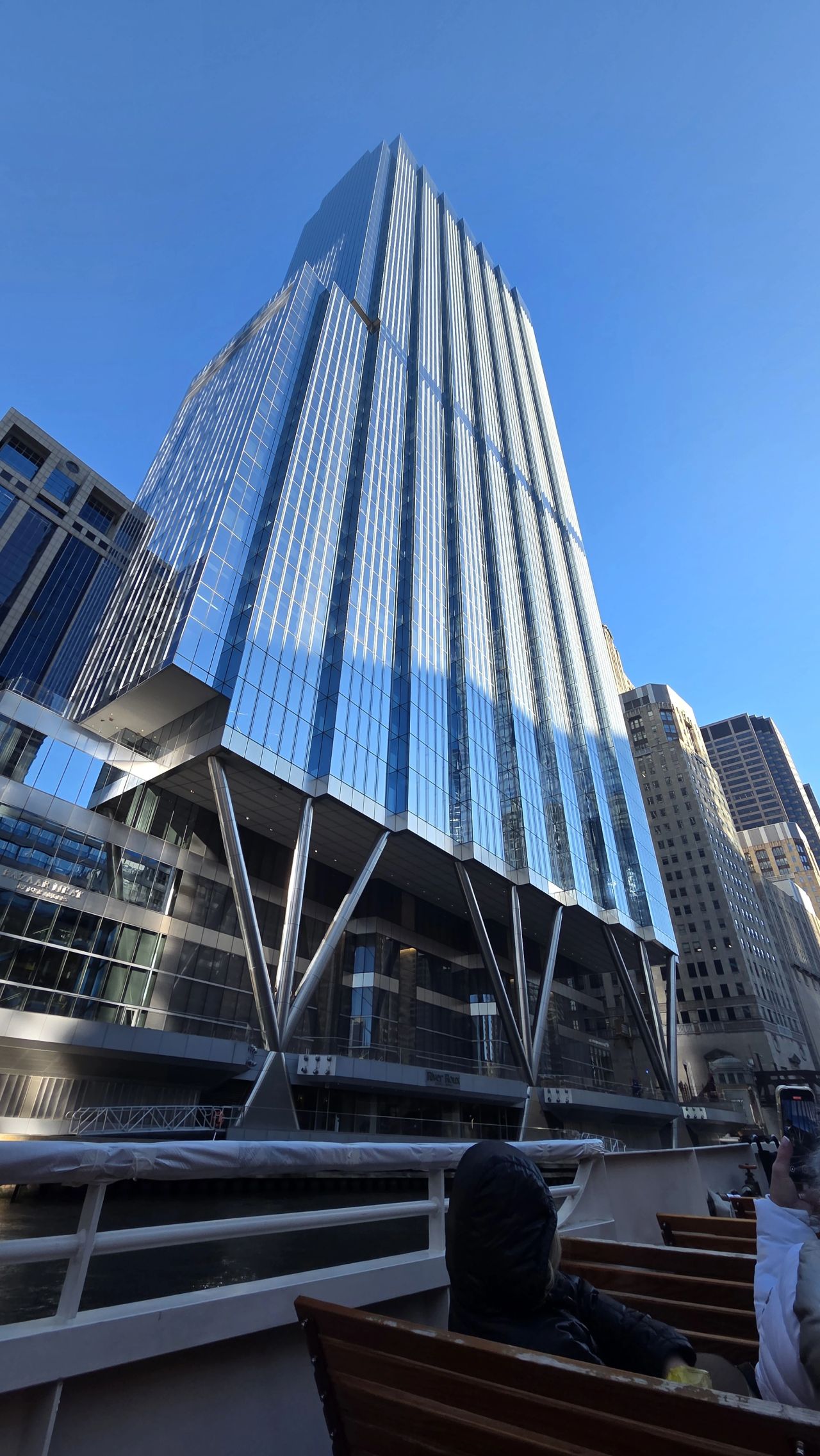
<p>One of the most striking aspects of the tour was learning about the Great Chicago Fire and how it became a turning point rather than a setback. The city’s response led to experimentation with new construction methods, materials, and architectural ideas, many of which still influence high-rise design today.</p>

<p>I was particularly interested in the structural strategies used to address wind effects in tall buildings. The tour highlighted several approaches, including braced frame systems, tube structures, aerodynamic shaping of towers to reduce wind pressure, and the use of open or mechanically screened upper floors that allow air to pass through the structure.</p>

<p>Another feature that stood out was Chicago’s transportation infrastructure. The elevated train system not only connects neighborhoods efficiently but also plays a visible role in shaping the urban experience, illustrating how transportation and urban form evolve together.</p>

<p>Overall, the visit offered a valuable perspective on how historical events, architectural innovation, and engineering solutions intersect within a single urban environment.</p>

<h2 id="photo-gallery">Photo Gallery</h2>

<figure class="third ">
  
    
      <a href="https://pal-uttam.github.io/images//posts/chicago-architecture-tour/jeanne-gang-s-st-regis.jpg" title="St. Regis Chicago (Studio Gang)">
        <img src="https://pal-uttam.github.io/images//posts/chicago-architecture-tour/jeanne-gang-s-st-regis.jpg" alt="St. Regis Chicago by Studio Gang" />
      </a>


      <a href="https://pal-uttam.github.io/images//posts/chicago-architecture-tour/willis-tower.jpg" title="Willis Tower – bundled tube structural system">
        <img src="https://pal-uttam.github.io/images//posts/chicago-architecture-tour/willis-tower.jpg" alt="Willis Tower Chicago" />
      </a>


      <a href="https://pal-uttam.github.io/images//posts/chicago-architecture-tour/river-walk-skyline.jpg" title="Chicago Riverwalk and skyline integration">
        <img src="https://pal-uttam.github.io/images//posts/chicago-architecture-tour/river-walk-skyline.jpg" alt="Chicago Riverwalk skyline" />
      </a>


      <a href="https://pal-uttam.github.io/images//posts/chicago-architecture-tour/skyline.jpg" title="Downtown Chicago skyline">
        <img src="https://pal-uttam.github.io/images//posts/chicago-architecture-tour/skyline.jpg" alt="Downtown Chicago skyline" />
      </a>


      <a href="https://pal-uttam.github.io/images//posts/chicago-architecture-tour/trump-tower.jpg" title="Trump International Hotel and Tower">
        <img src="https://pal-uttam.github.io/images//posts/chicago-architecture-tour/trump-tower.jpg" alt="Trump Tower Chicago" />
      </a>


      <a href="https://pal-uttam.github.io/images//posts/chicago-architecture-tour/river-point.jpg" title="River Point river-oriented development">
        <img src="https://pal-uttam.github.io/images//posts/chicago-architecture-tour/river-point.jpg" alt="River Point Chicago" />
      </a>


      <a href="https://pal-uttam.github.io/images//posts/chicago-architecture-tour/150-n-riverside-plaza.jpg" title="150 North Riverside Plaza – constrained foundation design">
        <img src="https://pal-uttam.github.io/images//posts/chicago-architecture-tour/150-n-riverside-plaza.jpg" alt="150 North Riverside Plaza" />
      </a>


      <a href="https://pal-uttam.github.io/images//posts/chicago-architecture-tour/110-n-wacker.jpg" title="110 North Wacker Drive – contemporary office tower">
        <img src="https://pal-uttam.github.io/images//posts/chicago-architecture-tour/110-n-wacker.jpg" alt="110 North Wacker Drive" />
      </a>


    <figcaption>Selected architectural and structural observations from downtown Chicago.
</figcaption>
  
</figure>]]></content><author><name>Uttam Pal</name><email>upal@uwyo.edu</email></author><category term="Updates" /><category term="architecture" /><category term="structural engineering" /><category term="urban infrastructure" /><category term="transportation systems" /><category term="research travel" /><summary type="html"><![CDATA[Reflections from my first visit to Chicago, focusing on how history, architecture, and engineering converge in the city’s built environment.]]></summary></entry><entry><title type="html">FAA Part 107 Remote Pilot Certification</title><link href="https://pal-uttam.github.io/posts/faa-part-107-remote-pilot-certification/" rel="alternate" type="text/html" title="FAA Part 107 Remote Pilot Certification" /><published>2025-08-02T00:00:00+00:00</published><updated>2025-08-02T00:00:00+00:00</updated><id>https://pal-uttam.github.io/posts/faa-part-107</id><content type="html" xml:base="https://pal-uttam.github.io/posts/faa-part-107-remote-pilot-certification/"><![CDATA[<p>I am pleased to share that I have obtained the <strong>Part 107 Remote Pilot Certificate</strong> from the Federal Aviation Administration (FAA).</p>

<p>This certification authorizes me to legally operate unmanned aircraft systems (UAS) such as the Leica BLK2FLY, which we use in our research. The credential expands my ability to collect aerial imagery, generate high-resolution point clouds, and apply photogrammetry techniques for site analysis and digital preservation.</p>

<p>Drones are increasingly valuable in construction research and human-centered safety studies, particularly for documenting complex environments, capturing spatial data efficiently, and creating digital twins of built infrastructure. This certification supports ongoing work at the intersection of construction safety, cognitive ergonomics, and advanced spatial data acquisition.</p>

<p>I look forward to further integrating drone-based data collection into research focused on infrastructure systems and technology-enabled site analysis.</p>]]></content><author><name>Uttam Pal</name><email>upal@uwyo.edu</email></author><category term="Updates" /><category term="certification" /><category term="drone technology" /><category term="photogrammetry" /><category term="point clouds" /><category term="digital preservation" /><summary type="html"><![CDATA[Received the FAA Part 107 Remote Pilot Certificate, enabling legal drone operations for research applications in aerial data collection and digital site analysis.]]></summary></entry><entry><title type="html">New Publication in Safety Science on Micro and Small Modular Reactor Safety</title><link href="https://pal-uttam.github.io/posts/msmr-phase-based-safety-review/" rel="alternate" type="text/html" title="New Publication in Safety Science on Micro and Small Modular Reactor Safety" /><published>2025-08-01T00:00:00+00:00</published><updated>2025-08-01T00:00:00+00:00</updated><id>https://pal-uttam.github.io/posts/msmr</id><content type="html" xml:base="https://pal-uttam.github.io/posts/msmr-phase-based-safety-review/"><![CDATA[<p>I am pleased to share our recent publication in <em>Safety Science</em> (Elsevier), titled <strong>“Phase-based safety review of Micro and Small Modular Reactors from design to decommissioning.”</strong></p>

<p>Micro and Small Modular Reactors (MSMRs) are gaining attention as a potential source of clean and resilient nuclear energy. However, their widespread deployment depends on strong safety practices across all project phases. This paper examines safety considerations from reactor design and regulatory approval to construction, operation, and eventual decommissioning.</p>

<p>Using a structured review of 94 published studies, we identified key safety principles and regulatory challenges that shape MSMR development. The findings highlight the importance of inherent and passive safety features, simplified reactor design, and containment systems in preventing accidents. The study also identifies major regulatory gaps, including licensing challenges for new reactor designs and the lack of clear evaluation frameworks for passive safety systems.</p>

<p>By organizing safety issues across the full lifecycle of MSMRs, the paper provides a clearer roadmap for policymakers, regulators, and industry stakeholders working toward safe and responsible reactor deployment.</p>

<p>The article is available here:<br />
<a href="https://www.sciencedirect.com/science/article/abs/pii/S0925753525001079" target="_blank">Read the paper on ScienceDirect</a></p>]]></content><author><name>Uttam Pal</name><email>upal@uwyo.edu</email></author><category term="Updates" /><category term="publication" /><category term="nuclear energy" /><category term="safety engineering" /><category term="small modular reactors" /><category term="regulatory policy" /><summary type="html"><![CDATA[A phase-based review of safety considerations for Micro and Small Modular Reactors from design to decommissioning.]]></summary></entry></feed>